More NSW homes are installing solar every year. While the benefits are clear, many homeowners are unsure how adding solar panels affects their home insurance. Insurers consider anything that changes the value, structure or risk profile of your property, so it is important to understand what solar means for your cover.
Solar Panels Increase the Value of Your Home
Adding a solar system usually increases the overall value of your property. This can be positive, but it also means your policy sum insured may need to be reviewed. If your existing cover does not reflect the new replacement cost of your home and solar system, you may be underinsured.
A home insurance policy is designed to put you back in the position you were in before a loss. If your solar system is not included in that value, you might not receive enough to replace it.
Solar Installations May Affect Your Risk Profile
Solar panels themselves are very safe, but like any electrical equipment, they must be installed correctly. Insurers look closely at factors that influence fire risk, electrical safety and structural integrity.
Insurers may ask about:
- The age and quality of your switchboard.
- Whether the system was installed by a licensed installer.
- The type of roof structure.
- Whether the system includes a battery.
- Maintenance history and inspection records.
A well-installed, compliant system usually has no negative effect on your premiums. Poor installation or missing documentation, however, may increase your risk rating.
You Must Tell Your Insurer About Your Solar Panels
Most insurers in NSW require you to notify them of any additions or renovations that may impact the home’s value or risk. Installing a solar system falls into this category.
If you do not update your insurance, you may face problems later. For example:
- You could be underinsured
- Claims relating to the solar installation might be reduced or denied
- Your policy conditions may be void if the insurer believes the risk was not disclosed
A quick phone call to your insurance company is usually all that is needed.
What Insurers Typically Cover
Most home insurance policies include solar panels as part of the building once installed. This means they are covered against the same events as your home, including fire, storm, theft and accidental damage, as long as your policy includes these types of cover.
Batteries may be included, but some insurers treat them as separate electrical items. It is worth confirming how your policy handles battery storage before installation.
What Could Affect Your Premium
Your premium may change based on:
System size
Larger systems increase replacement costs, which may raise your building sum insured.
Installation standards
Work must comply with Australian electrical and safety standards. Insurers may ask for certificates of compliance for both the solar and electrical work.
Battery storage
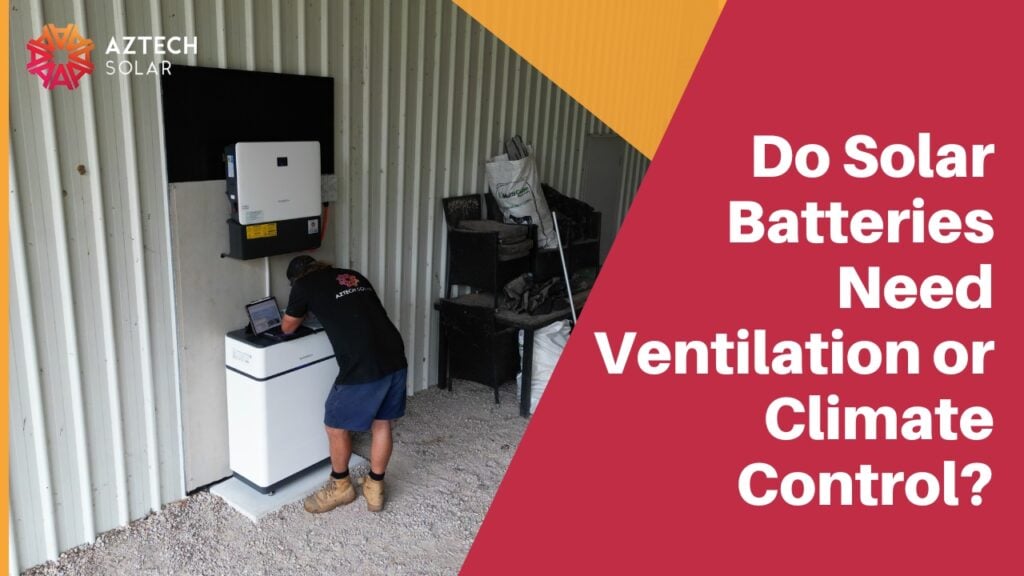
A battery is considered an additional electrical hazard if not installed correctly. Safe placement, ventilation and compliance help keep premiums stable.
Local conditions
Homes in high fire risk or storm prone areas may see minor changes to their policy after solar installation.
For most NSW homeowners, the change is small and often comes down to updating the replacement value.

Will Solar Panels Reduce Your Premium?
Solar panels do not generally reduce insurance premiums. They are considered an asset rather than a safety feature. However, solar can indirectly reduce insurance costs over time by improving your home’s overall energy resilience if paired with a battery.
Tips for a Smooth Insurance Update
- Tell your insurer before or immediately after installation.
- Keep all installation certificates and warranties.
- Choose a licensed and accredited installer.
- Confirm whether the policy covers both panels and batteries.
- Review your insured value to allow for replacement of the system.
- Ask whether your insurer requires documentation for ongoing maintenance.
A good installer will also provide system layout diagrams, electrical compliance certificates and warranty information, all of which can be important during an insurance claim.
New Rebates for Australian Households
If you are looking for ways to lower your energy costs, look at the new rebates available for NSW households and businesses
Got questions? We are always happy to help. Get in touch with us today to find out how affordable a new solar installation can be or leave your details, and our team will get back to you within 24 hours.
Disclaimer:
Always check your own home insurance policy and speak with your insurer to confirm how solar panels and batteries are covered. Each policy is different and your provider can give guidance based on your specific home and installation.