Energy bills are rising and buyers are actively looking for more efficient properties. Homes without a solar system may cost more to run and attract less interest on the market. While owners focus on location or renovations, solar often gets left out—resulting in missed opportunities.
A properly sized solar system can reduce energy bills and increase resale value. In NSW, solar adoption is also growing in rental properties and investment homes. Whether the goal is to sell, rent, or improve returns, solar helps strengthen both financial and environmental outcomes.
How Solar Adds Value to a Home
Installing solar has a direct impact on sales appeal. Studies show that homes with solar panels can increase in value by around 3–4%. Some buyers are willing to pay up to $10,000 more for homes with energy-saving systems already in place.
In NSW, a 5kW solar panel setup may add over $25,000 in value depending on location and demand. Homes with battery storage or higher energy ratings also attract more competitive offers. This is especially true for newer buyers looking to reduce bills and avoid rising power costs.
Solar is a one-time investment that continues to deliver benefits even if the home is sold years later. Buyers are increasingly aware of these long-term gains.
What Affects the Return on Solar
The benefit a homeowner gains from solar depends on key factors. A fully owned system increases value more than leased units. Buyers are cautious of lease agreements due to added paperwork and contract conditions.
System size and efficiency also play a role. A setup that matches the home’s energy use will perform better over time. Warranty coverage and installer support affect resale appeal as well. Buyers often ask if the warranty transfers or if the provider is still active.
The roof’s position and shade exposure can impact performance. North-facing panels in sunny zones like western NSW often generate more energy than shaded city rooftops.
Tips for Choosing a Home Solar System
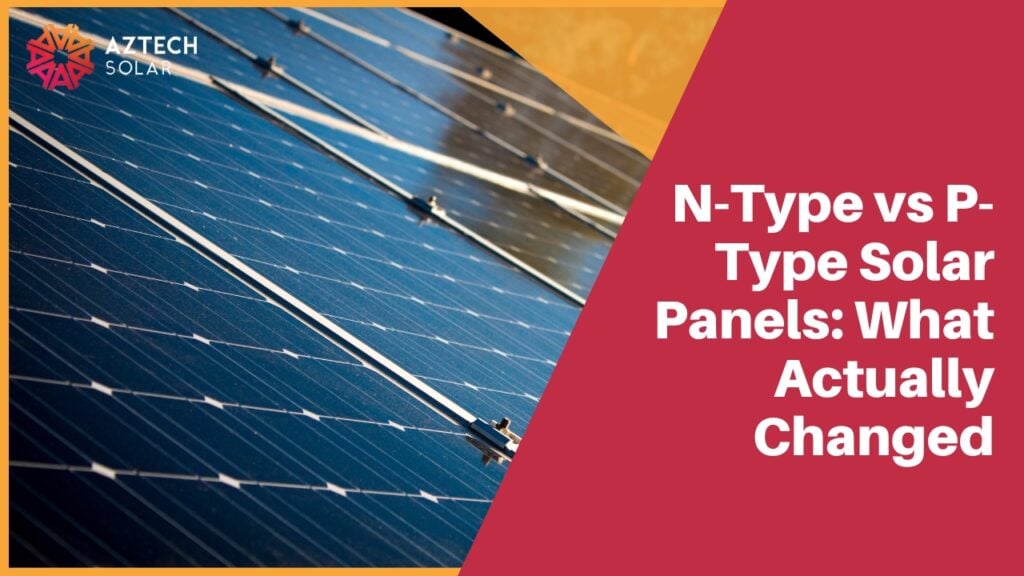
Not all systems deliver the same return. Panels vary in size, cost, and output. Some types—like monocrystalline or bi-facial modules—offer higher performance for compact rooftops. Others are designed for wide or rural areas with fewer space limits.
Compare options before buying:
- Choose panels with long manufacturer warranties
- Check inverter brand and expected lifespan
- Confirm installation is done by a licensed provider
- Review how panels perform in low light or heat
Efficiency affects long-term savings and how buyers view the system later. Choosing a system that offsets peak power use is more likely to increase property appeal.
Improve Energy Efficiency with Simple Changes
Solar works best when used during daylight. Adjusting daily routines can improve energy use and reduce grid reliance. For example:
- Switch water heating to daytime
- Run washing machines or dishwashers mid-morning
- Set pool pumps to operate during sunlight hours
- Upgrade to LED lights and newer appliances
Solar offsets are most effective when matched with high-consumption tasks. This helps owners see faster returns and reduces pressure during evening peak rates.
Rental Homes Benefit from Solar Too
Tenants are also drawn to properties with solar. Landlords can use this to reduce vacancy rates and improve tenant satisfaction. Around 75% of surveyed renters in Australia say they prefer homes with renewable energy access.
Some renters are open to paying more each week if solar cuts electricity costs. This can improve income for investment properties and make them more competitive.
Government rebates or $0 deposit green loans may be available for landlords installing solar. In some cases, these are tied to tenant energy savings or property upgrades.
Solar Panel Quality and Installation Matters
Even the best panels underperform if installed poorly. Buyers are more likely to trust a system if it comes with installation records, service history, and warranty information.
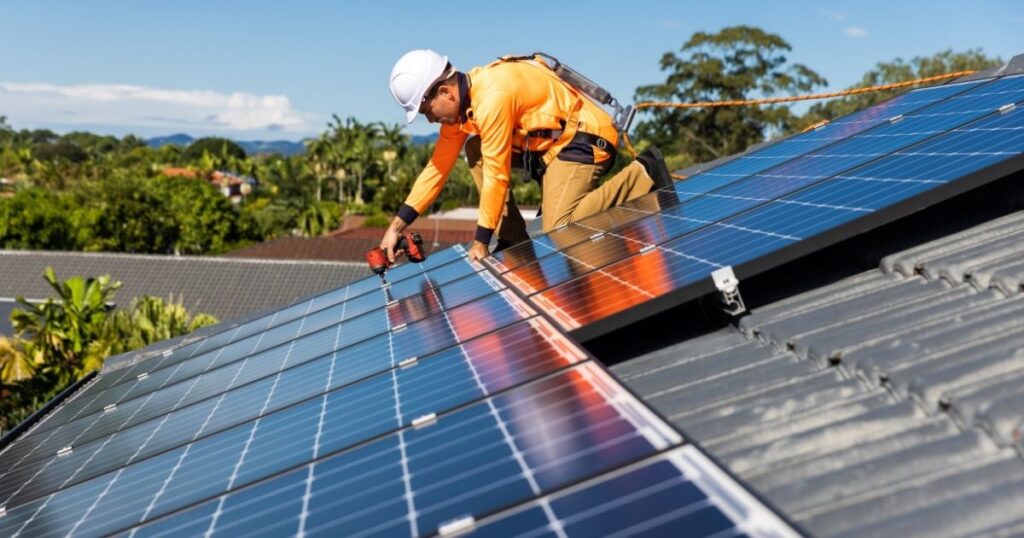
A low-cost install may affect safety or reduce system lifespan. Mounting strength, wiring protection, and inverter placement all affect performance. Only licensed installers should be used to meet Australian standards.
A clean, well-positioned solar setup is also more appealing to inspectors and valuers. It signals that the home is maintained and energy-aware. These small factors influence final offers from buyers.
Turn Unused Roof Space Into an Asset
Unused roof space can be converted into energy savings. Even small roof sections can support a basic solar setup that lowers daytime electricity use. Homes with well-oriented rooftops benefit even more.
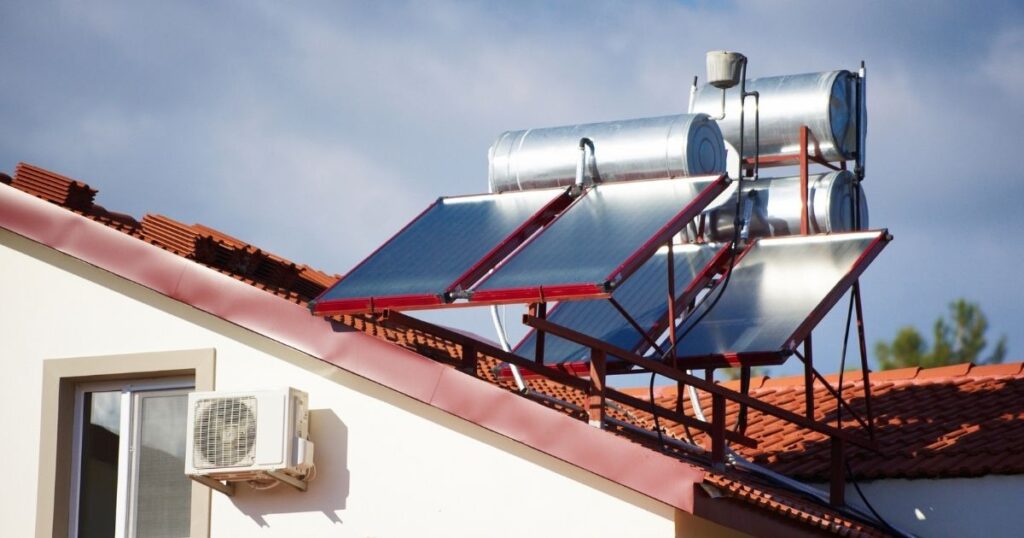
Instead of letting the roof sit idle, homeowners are installing panels to reduce ongoing costs. Some are exploring combined systems that include solar, hot water, and even green roof gardens.
As demand for solar grows, panel design is also improving. Some providers now offer solar tiles or thin-frame panels that blend with roof finishes while generating power.
Selling a Property With Solar Installed
A home with a solar system installed is often more attractive to buyers. The presence of panels can lower future energy costs, making the property more cost-efficient to run. In areas with high power rates, this can influence both buyer interest and final offers.
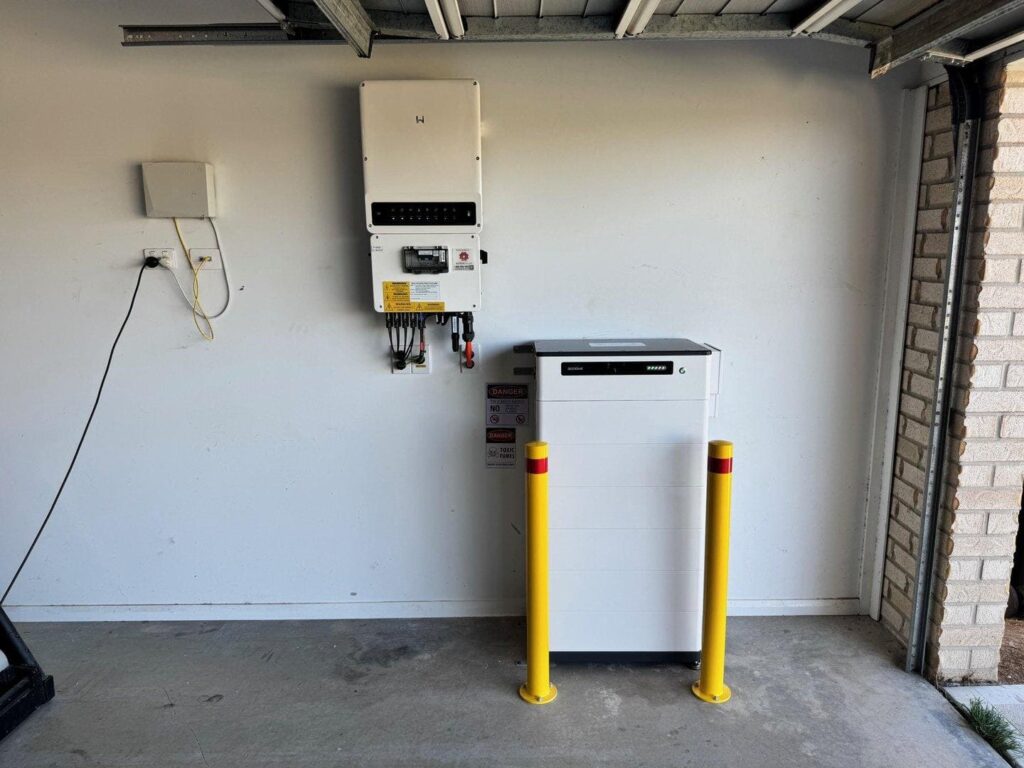
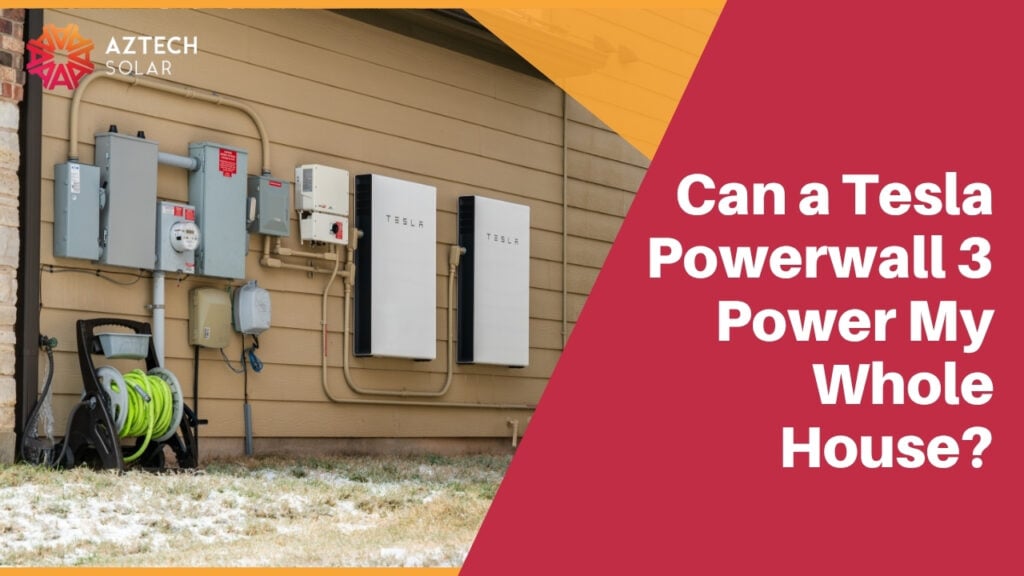
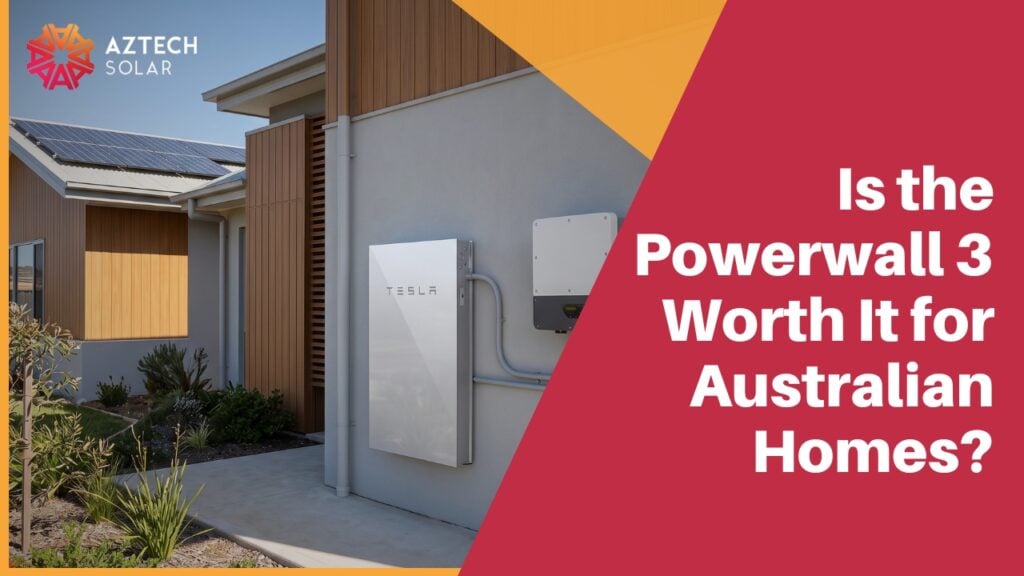
Battery storage or upgraded appliances can increase perceived value. These additions may also support higher energy ratings, which are often compared by buyers during inspections.
Before listing a property, it’s recommended to confirm the system is working, clean, and has up-to-date service records. Transferable warranties and visible panel condition help buyers assess ongoing value.
Aztech Solar installs systems that meet NSW standards and are suited to home resale. Contact our team for system advice before listing a property.
FAQ’s
Most homeowners see lower electricity bills from the first full billing period. The system’s size, energy use during the day, and local feed-in tariffs affect how quickly the investment pays off.
Yes. Rental properties with solar often attract longer-term tenants and can support slightly higher weekly rent. This helps improve cash flow and reduce vacancy rates, especially in energy-conscious suburbs.
If the system is owned outright, it transfers with the property. Buyers usually see it as a value-added feature. Leased systems may complicate the sale process unless clearly disclosed and accepted by the buyer.
Rebates reduce upfront costs but do not directly change a home’s market value. However, lower install costs make the return on investment more favourable, which appeals to future buyers.
In many cases, yes. Well-installed systems with service records and working inverters can increase buyer interest and may boost sale prices beyond the original solar outlay.