Choosing the best solar battery in Australia depends on how electricity is used in the home, whether backup power is needed, and how much energy needs to be stored overnight. There is no single battery that suits every household.
Some batteries focus on high usable capacity for homes with electric vehicles or large evening loads. Others prioritise modular expansion, allowing capacity to be added later as energy needs change. Battery chemistry, backup capability, inverter compatibility, and warranty structure also play a role in determining which option is most suitable.
Australian conditions add further considerations. Grid reliability varies by location, export limits can affect solar usage, and many homes already have existing solar systems that influence which batteries can be installed.
This guide compares leading solar battery options available in Australia, explains how they differ, and outlines what to consider before choosing a system. The aim is to provide a clear comparison so homeowners can assess which battery best matches their energy usage, budget, and long-term plans.
Best Solar Batteries in Australia at a Glance
The table below provides a side-by-side overview of commonly installed solar battery systems in Australia. Specifications vary by configuration and installation, but this comparison highlights the key differences that influence real-world performance and suitability.
| Brand / Model | Usable Capacity (kWh) | Battery Chemistry | Modular / Expandable | Backup Capable | Warranty | Best Suited For |
| Tesla Powerwall | ~13.5 | Lithium-ion (NMC) | No | Yes | 10 years | Homes wanting a single, high-capacity battery with full backup support |
| Sungrow SBR HV | Modular up to ~25+ | Lithium Iron Phosphate (LFP) | Yes | Yes | 10 years | Households planning staged capacity expansion |
| Sigenergy Battery | Modular | Lithium Iron Phosphate (LFP) | Yes | Yes | 10 years | Integrated energy systems with future scalability |
| Alpha ESS | Modular | Lithium Iron Phosphate (LFP) | Yes | Yes | 10 years | Budget-conscious homes seeking expandable storage |
| Enphase IQ Battery | Modular | Lithium Iron Phosphate (LFP) | Yes | Yes | 10 years | Homes using microinverters or AC-coupled systems |
| BYD Battery-Box | Modular | Lithium Iron Phosphate (LFP) | Yes | Yes | 10 years | Flexible storage paired with compatible hybrid inverters |
Capacities, warranty terms, and backup functionality depend on system design and installation requirements.
Top Solar Battery Brands Compared
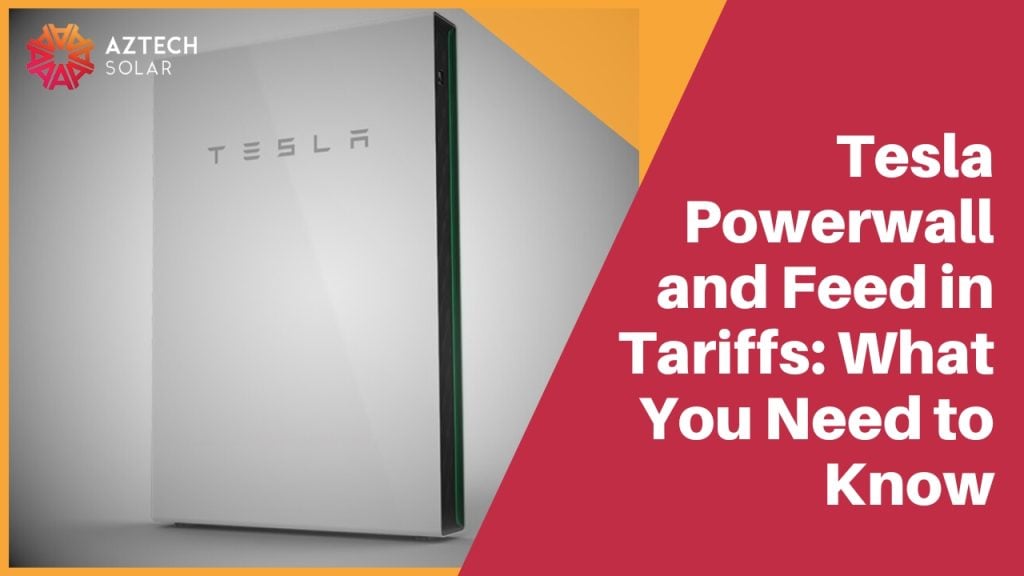
Tesla Powerwall

The Tesla Powerwall is a single-unit home battery designed to store solar energy for evening use and provide backup power during grid outages. It is one of the most widely recognised solar batteries in Australia and is commonly installed in homes with moderate to high electricity consumption.
The system offers approximately 13.5 kWh of usable storage in one enclosure. Unlike modular batteries, capacity cannot be expanded by stacking units internally, although additional Powerwalls can be installed if space and system design allow. The battery uses lithium-ion NMC chemistry, which delivers high energy density in a compact form.
The Powerwall supports backup operation when installed with the required gateway and switchboard configuration. This allows selected circuits or the entire home to remain powered during outages, depending on installation design.
Tesla provides a 10-year warranty, with performance conditions based on energy throughput and operating limits.
Key strengths
- High usable capacity in a single unit
- Integrated backup capability
- Established product with broad installer support
Limitations
- Not internally modular
- Limited flexibility for staged capacity increases
Best suited for
Homes seeking a straightforward, high-capacity battery with backup capability and minimal system complexity.
Sungrow SBR HV
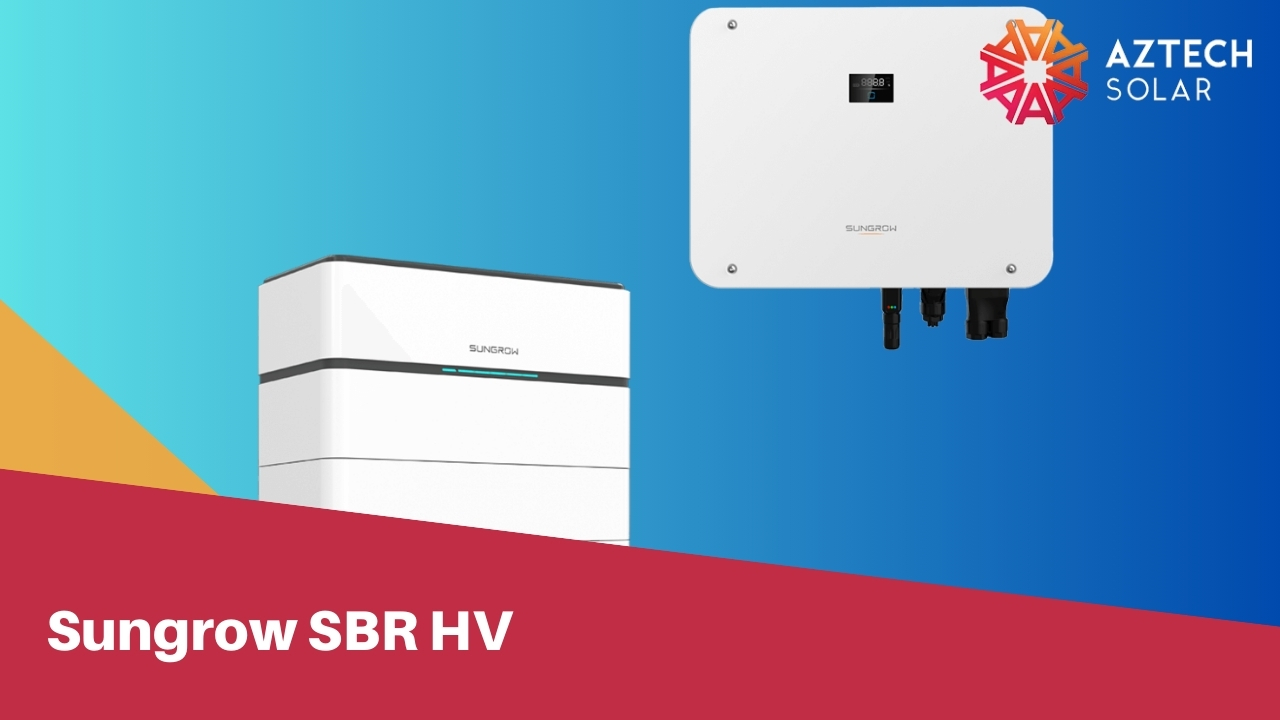
The Sungrow SBR HV is a modular high-voltage battery system designed for homes that want flexibility in storage capacity. It is commonly paired with Sungrow hybrid inverters and is used in a wide range of Australian residential installations.
The system is built from stackable battery modules, allowing capacity to start at a smaller size and expand as energy needs change. Usable capacity varies depending on the number of modules installed, making it suitable for households planning future upgrades such as electric vehicles or increased electricity usage.
Sungrow uses lithium iron phosphate (LFP) chemistry, which is known for thermal stability and long cycle life. This chemistry is widely adopted in newer battery systems due to its safety profile and suitability for Australian operating conditions.
When installed with compatible inverter and backup hardware, the Sungrow SBR HV can provide backup power during grid outages. Backup capability depends on system configuration and switchboard design.
The battery is backed by a 10-year warranty, with performance limits defined by usage and operating conditions.
Key strengths
- Modular design with scalable capacity
- LFP chemistry for improved thermal stability
- Suitable for staged system expansion
Limitations
- Requires compatible hybrid inverter
- Backup setup depends on additional hardware
Best suited for
Households that want a modular battery system with the option to increase capacity over time.
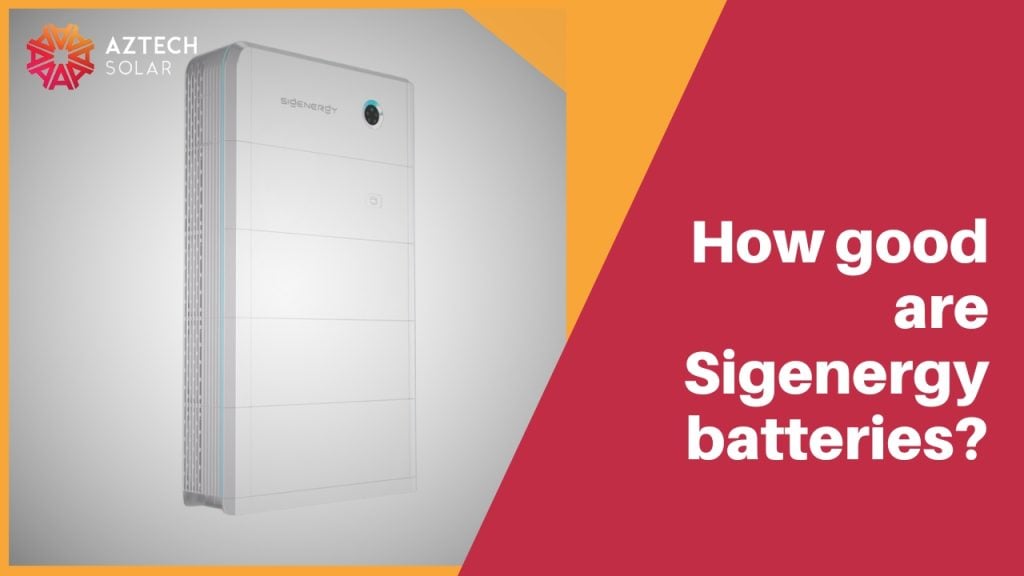
Sigenergy Battery System

The Sigenergy battery system is a modular energy storage solution designed to integrate solar, battery storage, and energy management into a single platform. It is increasingly used in Australian homes that want a flexible system capable of adapting to changing energy demands.
Sigenergy batteries are built around a modular architecture, allowing storage capacity to be scaled by adding battery modules. This makes the system suitable for households planning future expansion, such as adding electric vehicles or increasing overall electricity consumption.
The system uses lithium iron phosphate (LFP) chemistry, which provides strong thermal stability and long cycle performance. LFP batteries are commonly selected for residential installations due to their safety characteristics and suitability for varied Australian climate conditions.
When installed with the appropriate inverter and backup configuration, Sigenergy systems can provide backup power during grid outages. Backup functionality and circuit coverage depend on system design and installation requirements.
Sigenergy batteries are typically supplied with a 10-year warranty, with performance terms linked to operating limits and usage conditions.
Key strengths
- Fully modular system design
- LFP chemistry for safety and durability
- Integrated energy management features
Limitations
- Newer brand with a smaller installed base
- Availability may vary by installer and region
Best suited for
Homes seeking a modern, expandable battery system with integrated energy management and future-ready design.
Alpha ESS
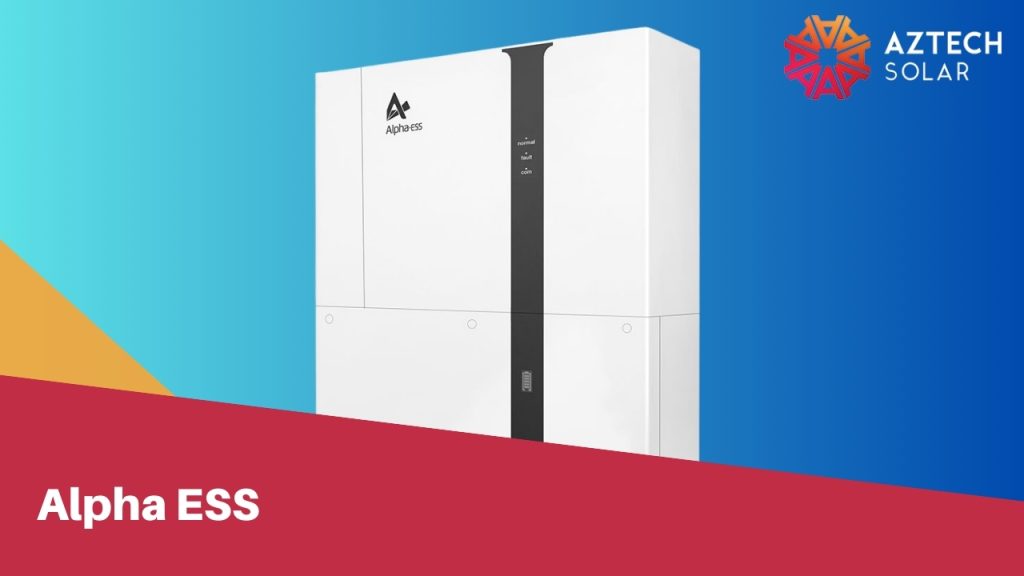
Alpha ESS offers a range of modular solar battery systems that are widely used in Australian residential installations. These systems are often selected by households looking for a balance between upfront cost, scalability, and everyday energy storage.
Alpha ESS batteries are designed to be expandable, allowing additional modules to be added as energy requirements increase. This modular approach suits homes that want to start with a smaller system and expand later without replacing the entire battery.
The batteries use lithium iron phosphate (LFP) chemistry, which is valued for thermal stability and long service life. This chemistry supports consistent performance in Australian conditions and aligns with current safety expectations for residential battery installations.
When paired with compatible inverters and backup hardware, Alpha ESS systems can provide backup power during grid outages. The extent of backup support depends on system configuration and switchboard setup.
Alpha ESS typically provides a 10-year warranty, with performance conditions based on usage limits and operating parameters.
Key strengths
- Modular and expandable design
- LFP chemistry for safety and longevity
- Competitive entry cost compared to premium brands
Limitations
- App and monitoring features can vary by model
- Brand recognition lower than some premium options
Best suited for
Households seeking a modular battery system with flexible capacity and a lower upfront cost.
Enphase IQ Battery

The Enphase IQ Battery is an AC-coupled solar battery system designed to work alongside Enphase microinverters. It is commonly installed in homes that already use, or plan to use, microinverter-based solar systems.
The system is modular, allowing multiple battery units to be installed to increase total storage capacity. This modular approach supports staged expansion and provides flexibility for households with changing energy needs.
The Enphase IQ Battery uses lithium iron phosphate (LFP) chemistry, which offers strong thermal stability and long cycle life. Each battery includes integrated inverters, enabling AC coupling without the need for a separate hybrid inverter.
When installed with the appropriate system controller and switchboard configuration, the Enphase IQ Battery can supply backup power during grid outages. Backup performance depends on system design, including which circuits are supported.
Enphase provides a 10-year warranty, with performance terms linked to usage limits and operating conditions.
Key strengths
- AC-coupled design suited to microinverter systems
- Modular and expandable capacity
- LFP chemistry with integrated inverter hardware
Limitations
- Higher cost per kilowatt-hour compared to some DC-coupled systems
- Best suited to Enphase-based solar installations
Best suited for
Homes with Enphase microinverters seeking a compatible, expandable battery system with backup capability.
How to Choose the Best Solar Battery for Your Home

Battery capacity and household energy use
Battery capacity determines how much solar energy can be stored and used later in the day. Homes with low evening electricity use may only need a smaller battery to cover lighting, appliances, and basic loads after sunset. Larger households often require more capacity to support cooking, heating or cooling, and entertainment during peak evening hours.
Electric vehicles significantly increase overnight energy demand. Homes charging an EV from stored solar energy typically require higher battery capacity or a modular system that allows additional storage to be added later.
Energy monitoring data provides the most accurate way to estimate battery size. Without this, installers usually assess average daily usage, peak evening demand, and future plans to recommend an appropriate capacity range rather than a fixed size.
Battery chemistry explained (LFP vs other lithium types)
Most residential solar batteries in Australia use lithium-based chemistry, but the specific type affects safety, lifespan, and performance. The two most common options are lithium iron phosphate (LFP) and other lithium-ion variants such as NMC.
LFP batteries are known for their thermal stability and resistance to overheating. This makes them well suited to Australian conditions, where systems may operate in garages or outdoor enclosures exposed to higher temperatures. LFP chemistry also supports a high number of charge cycles, which can extend usable lifespan.
Other lithium-ion chemistries, such as NMC, offer higher energy density, allowing more storage in a smaller enclosure. However, they typically require stricter thermal management and may prioritise compact design over long-term cycling.
Battery chemistry influences warranty terms, operating limits, and suitability for different installation environments.
Backup power requirements
Not all solar batteries provide the same level of backup power during grid outages. Some systems are designed to support essential circuits only, while others can be configured to supply most or all of a home’s electricity needs.
Backup capability depends on the battery, inverter type, and switchboard configuration. Homes with high-demand appliances, such as air conditioning or electric cooking, may require load management or selective circuit backup to avoid overloading the system during an outage.
Single-phase and three-phase homes also differ in backup design. Some batteries support full three-phase backup, while others provide limited coverage depending on system layout and hardware.
Understanding which appliances need to operate during a blackout helps determine whether partial or broader backup coverage is required and influences battery selection and installation complexity.
Scalability and future expansion
Energy usage often changes over time as households add electric vehicles, switch to electric heating, or increase overall electricity consumption. A battery system that supports scalability allows additional storage capacity to be added without replacing the original installation.
Modular battery systems achieve this by stacking or connecting additional battery units. This approach provides flexibility for households that want to start with a smaller capacity and expand later as energy needs increase.
Non-modular systems can still be expanded by installing additional complete batteries, but this typically requires more space and higher upfront cost per upgrade. Considering future energy plans during the initial system design can help avoid unnecessary replacement or redesign later.
Inverter compatibility
Solar battery compatibility depends on whether the system uses AC-coupled or DC-coupled architecture. DC-coupled batteries connect directly to a hybrid inverter and are commonly used in new solar installations or full system upgrades.
AC-coupled batteries include their own inverter and can be added to existing solar systems without replacing the original inverter. This makes them suitable for homes that already have solar installed and want to add battery storage later.
Inverter choice affects efficiency, system design, and expansion options. Compatibility with existing equipment should be assessed before selecting a battery, as some systems require specific inverter brands or configurations to operate correctly.
Solar Battery Warranty and Lifespan Explained
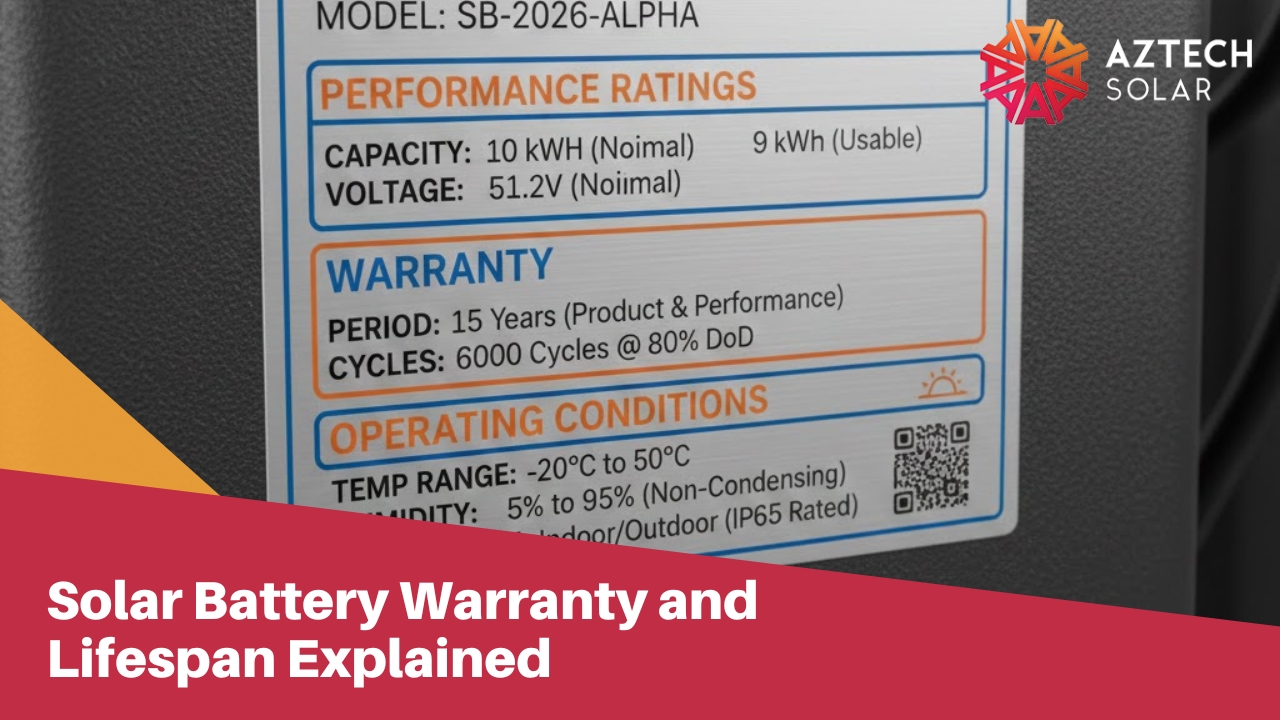
Solar battery warranties are usually expressed as a combination of time-based coverage and performance limits. While most residential batteries are supplied with a 10-year warranty, the conditions attached to that period can vary between manufacturers.
Some warranties include an energy throughput limit, which caps the total amount of electricity the battery can deliver over its lifetime. Once this limit is reached, coverage may end even if the time period has not expired. Other warranties focus on minimum remaining capacity at the end of the warranty term, such as guaranteeing a percentage of original storage capacity after 10 years.
Battery lifespan is influenced by usage patterns, depth of discharge, operating temperature, and battery chemistry. Systems using lithium iron phosphate chemistry are generally designed for a higher number of charge cycles, which can support longer service life under typical residential use.
Understanding warranty structure helps homeowners compare systems beyond headline warranty length and assess long-term value.
How Much Do Solar Batteries Cost in Australia?
The cost of a solar battery system in Australia varies depending on battery capacity, system design, and installation requirements. Smaller entry-level systems generally cost less, while larger or modular systems designed to support high energy usage or backup power typically require a higher investment.
Installation complexity also affects pricing. Homes that need switchboard upgrades, backup hardware, or three-phase integration may incur additional costs beyond the battery itself. Inverter compatibility can further influence pricing, particularly when existing equipment needs to be replaced or upgraded.
Battery size plays a major role in overall value. A larger battery may store more solar energy, but it also needs to match household consumption patterns to avoid excess unused capacity. Installers usually assess daily energy usage and future plans to recommend an appropriate size rather than the largest available option.
Because system designs differ, quotes often vary between properties even when the same battery model is used.
Solar Battery FAQs
What is the best solar battery in Australia?
The best solar battery depends on household energy use, backup requirements, and system design. Some homes prioritise high single-unit capacity, while others benefit from modular systems that allow future expansion. There is no single option that suits every property.
Which solar battery lasts the longest?
Battery lifespan depends on chemistry, usage patterns, and operating conditions. Systems using lithium iron phosphate chemistry are designed for high cycle life and thermal stability, which can support longer service life under typical residential use.
Are solar batteries worth it in Australia?
Solar batteries can be worthwhile for homes with high evening electricity use, limited solar export capacity, or frequent grid outages. Value depends on how much stored energy is used and whether backup power or energy independence is a priority.
Which battery is best for blackout protection?
Batteries designed with backup capability and compatible inverter systems are best suited for blackout protection. Backup coverage depends on system configuration, with some setups supporting essential circuits and others capable of broader household supply.
What size solar battery does a typical home need?
Battery size is usually based on overnight electricity use rather than total daily consumption. Many households start with a mid-range capacity and choose modular systems that allow additional storage to be added if energy needs increase.
Getting the Right Solar Battery for Your Home
Choosing a solar battery involves more than selecting a brand or capacity. System compatibility, backup requirements, household energy use, and future plans all affect which option is suitable. Professional assessment helps avoid oversizing, undersizing, or installing a system that does not align with how electricity is actually used.
Contact Aztech Solar for more information on solar battery options, system design considerations, and installation requirements for Australian homes.