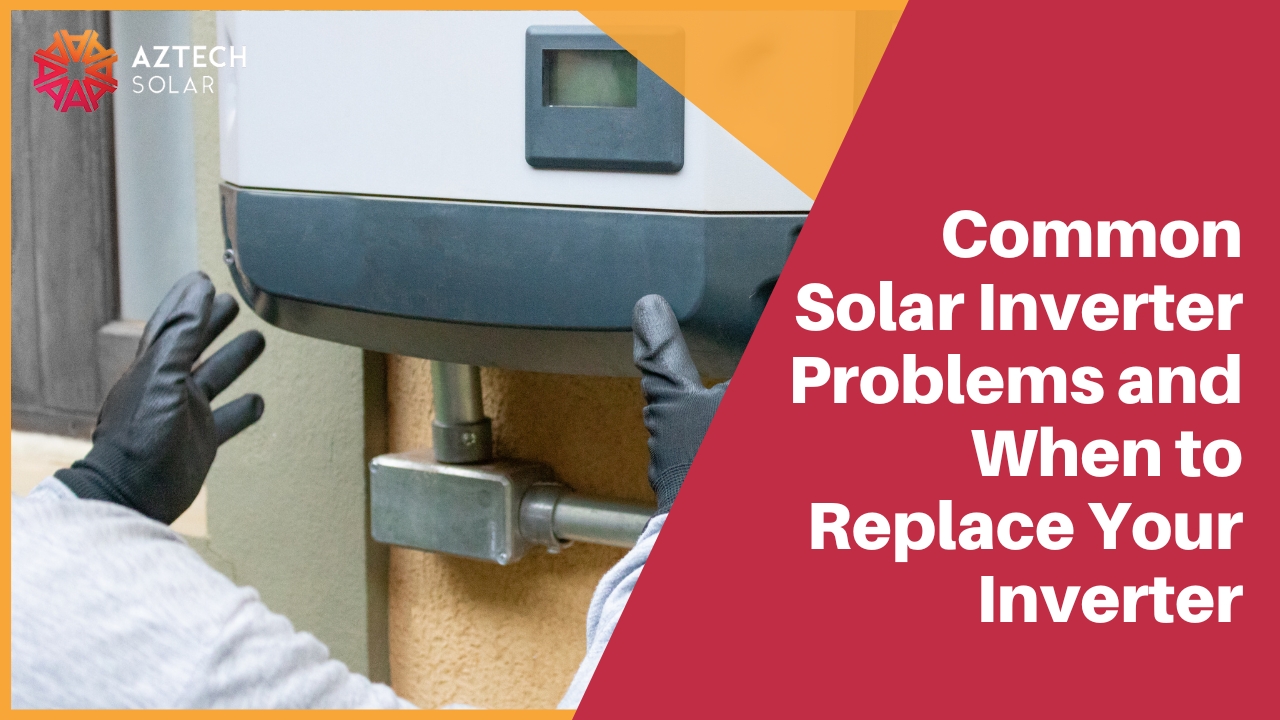
Your solar panels might be working fine, but if the inverter is struggling, your system isn’t generating what it should. The inverter is the piece of equipment that converts DC power from your panels into AC power your home actually uses. When it starts playing up, you’ll usually know about it fairly quickly.
This guide covers the most common inverter issues we see in the Hunter Valley and Newcastle region, what the warning signs look like, and how to decide whether it’s worth repairing or time to replace.
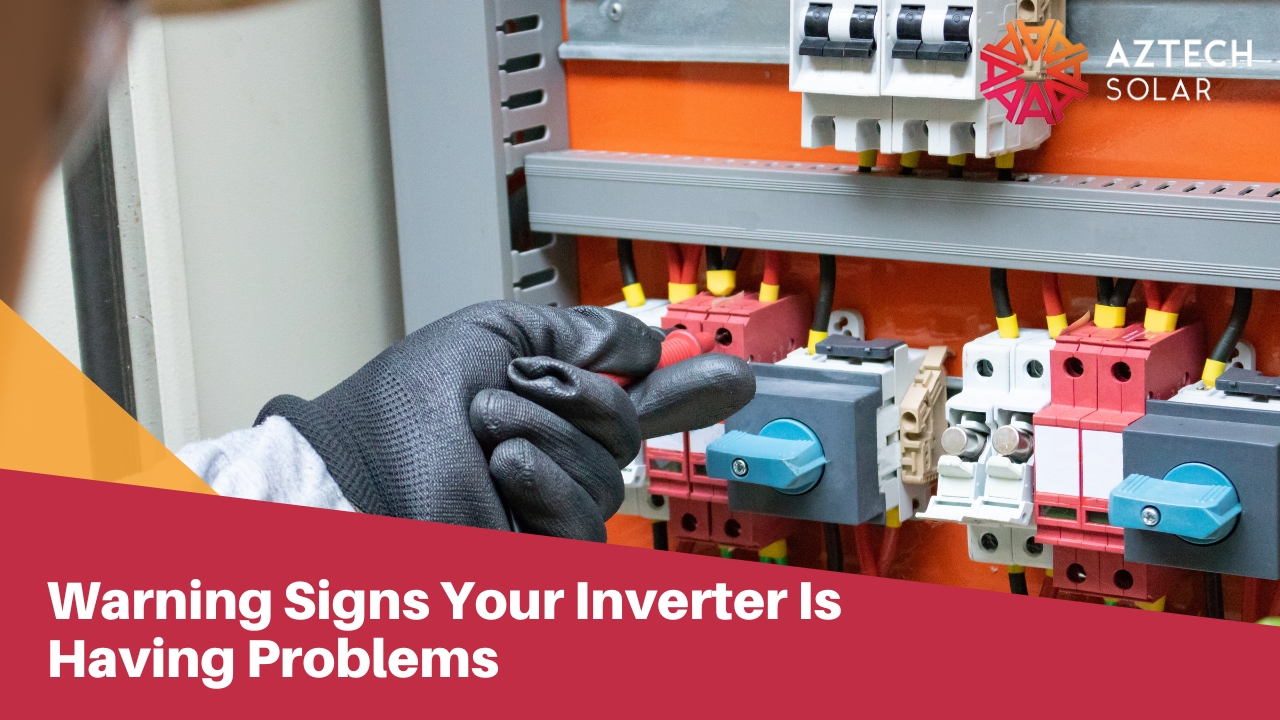
Warning Signs Your Inverter Is Having Problems
Most inverters have a display panel or LED indicators, and many connect to a monitoring app. The signs below are worth taking seriously.
Red or Flashing Error Lights
A steady green light generally means everything’s working. Red, amber, or flashing lights are the system’s way of saying something’s wrong. The specific error code matters here – some are minor (grid frequency fluctuation, for example) and the inverter will restart itself. Others, like isolation faults or ground faults, need a qualified installer to check.
Output Dropping Below Expected Levels
If your monitoring app shows your system producing noticeably less than it was six months ago under similar conditions, and it’s not a weather or shading issue, the inverter could be losing efficiency. A 10-15% drop across sunny days is worth investigating. Anything more than that needs attention.
Inverter Switching Off During the Day
Inverters can shut down temporarily due to grid supply issues, overheating, or faults. Occasional brief shutdowns during extreme heat can be normal. But if yours is regularly cutting out mid-afternoon on clear days, something’s wrong. Check whether the inverter is mounted in direct sun – they’re not designed for it and it shortens their lifespan.
Error Codes on the Display
Different brands use different codes, but common ones to watch out for include:
- Isolation fault – indicates a problem with the DC wiring or panels
- Grid fault – the grid supply is outside acceptable voltage/frequency range
- Overtemperature – inverter is running too hot
- No grid connection – usually a wiring issue or meter board problem
Don’t just reset and ignore error codes. If the same code keeps coming back, it won’t fix itself.
Clicking, Buzzing, or Burning Smell
Any unusual sounds or smell coming from your inverter box is a reason to turn it off and call someone. A faint hum is normal. Clicking, buzzing, or any burning smell means something is failing internally and it shouldn’t be running.
How Long Should a Solar Inverter Last?
String inverters typically last 10 to 15 years. Microinverters (like Enphase) generally have a longer operational life and come with a 25-year warranty. Hybrid inverters vary depending on brand and usage.
Most solar installations in Australia from 2010 to 2015 were fitted with string inverters. If yours is in that age bracket and showing problems, replacement is often the better financial decision over repair especially since technology has improved considerably since then.
Keep in mind the warranty situation too. Most string inverters carry a 5 to 10 year manufacturer warranty. If your inverter fails outside of warranty and repairs cost more than half the replacement price, it’s worth getting a quote on a new unit.
Should You Repair or Replace Your Inverter?
It’s not always a clear-cut answer, but here’s a useful way to think through it.
Repair Makes Sense When:
- The inverter is under 8 years old
- It’s still within warranty (manufacturer will cover parts)
- The fault is minor: a failed fan, faulty display, or communication board
- Repair cost is less than 30-40% of a replacement unit
Replacement Makes More Sense When:
- The inverter is over 10 years old and out of warranty
- Repair quotes are coming in at more than half the cost of a new unit
- You’ve had repeated faults over the past 12-18 months
- Your system has grown, you’ve added more panels or a battery and the existing inverter is no longer sized correctly
- A newer model would meaningfully improve your monitoring, efficiency, or compatibility
It’s also worth considering what you’d be replacing it with. Inverter technology has moved quickly. Today’s hybrid inverters can manage both solar and battery storage, and some brands offer much better monitoring and grid export controls than equipment from a decade ago.
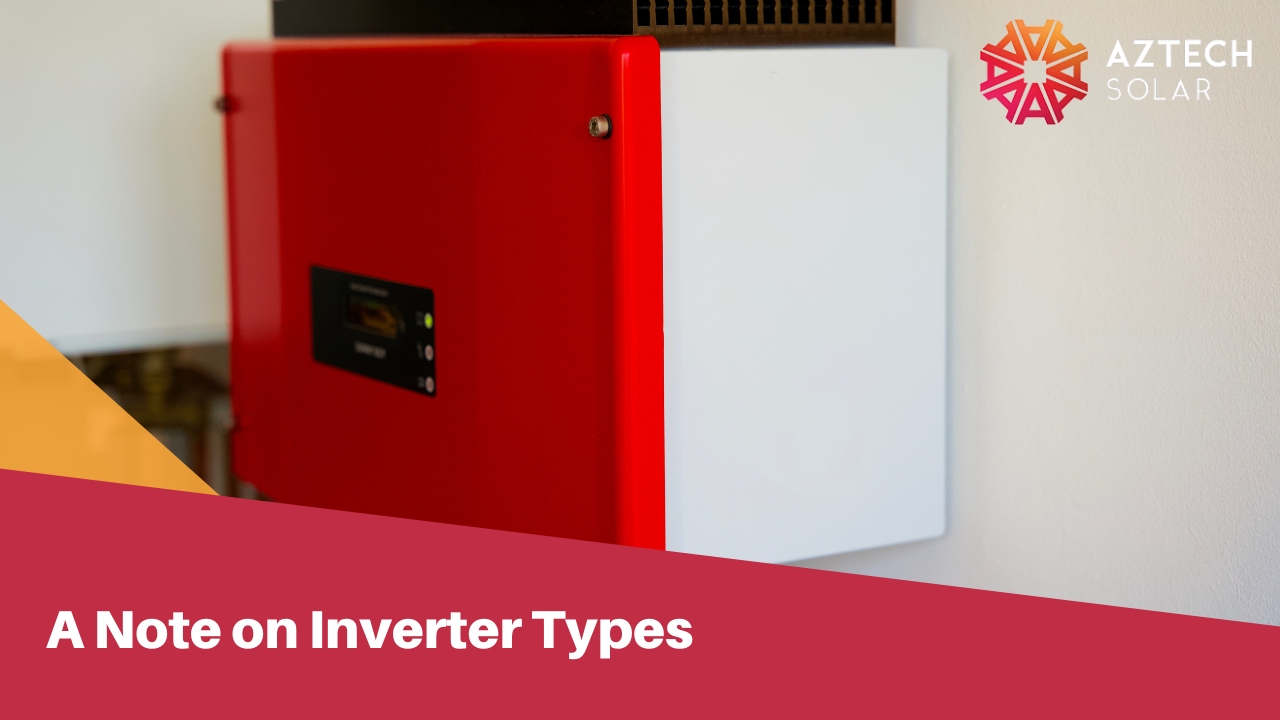
A Note on Inverter Types
Not all inverters work the same way, and the type you have affects both how it fails and what your options are.
String inverters are the most common type, a single unit mounted on the wall that handles all the panels. They’re reliable and cost-effective, but the whole system is affected if one fails.
Microinverters (like Enphase IQ8 series) are mounted on individual panels. If one fails, only that panel is affected. They tend to be more expensive upfront but have fewer single-point-of-failure issues.
Hybrid inverters combine solar and battery management in one unit. If yours develops a fault, it can affect both your solar generation and your battery storage simultaneously so getting faults looked at quickly matters more.
If you’re thinking about upgrading or replacing, our range of inverters includes Enphase, Sungrow, Goodwe, Fronius, SolarEdge and SMA . We can help you work out what makes sense for your system size and setup.
What to Do If You Think Your Inverter Has a Problem
Start with the basics:
- Check the display for error codes and note them down
- Log into your monitoring app if you have one and look at the production history
- Check whether the inverter is in direct sunlight (it shouldn’t be)
- Try a restart: switch off at the isolator, wait 30 seconds, switch back on
If the problem comes back or you can’t identify the cause, call a Clean Energy Council accredited installer to assess it. Don’t attempt to open the inverter casing yourself, the DC side carries high voltage even when the AC isolator is off.
For Newcastle, Hunter Valley, Lake Macquarie, Maitland and surrounding areas, Aztech Solar can assess your existing system and give you honest advice on whether repair or replacement makes more financial sense. Call us on 1300 992 922 or request a quote online.