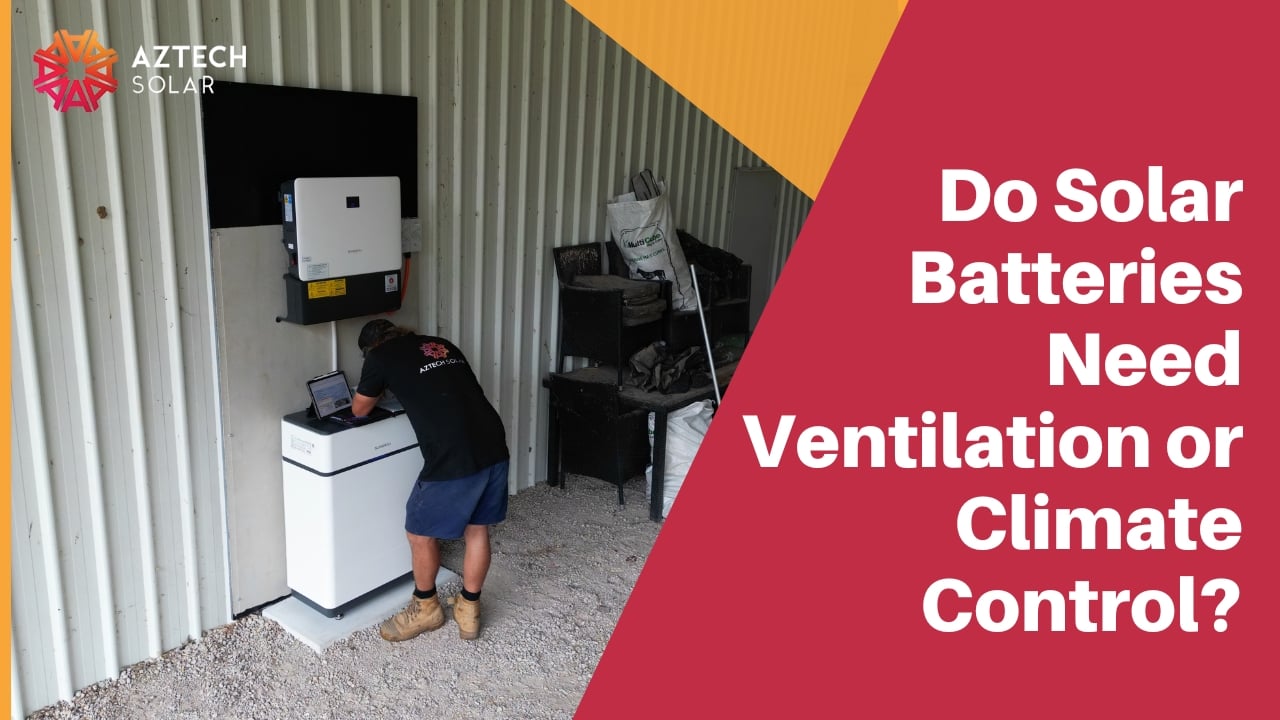
Solar battery storage units don’t need mechanical ventilation ducting or air conditioning. Modern lithium batteries are sealed, produce no gas in normal operation, and manage their own internal temperature. What they do need is shade, adequate clearance, and a location chosen carefully before anything is drilled.
That last part is where installations go wrong. A battery bolted to a west-facing brick wall in Maitland spends every summer afternoon cooking, and it shows up in the warranty conversation seven years later.
Why the Ventilation Question Keeps Coming Up
It’s a hangover from lead-acid.
Flooded and gel lead-acid banks produce hydrogen while charging. Hydrogen is explosive, so those installations needed genuine ventilation, ignition sources kept well clear, and often a dedicated battery room or vented enclosure. Plenty of older off-grid homes around Dungog and the upper Hunter still run setups like that, and the ventilation rules are there for good reason.
Lithium is a different animal. The LFP and NMC cells used in home batteries are sealed. Under normal operation they don’t off-gas at all, so there is nothing to vent. That’s why the explosive gas hazard signage and ventilation provisions in the installation standard apply to chemistries that produce gas, not to a sealed lithium unit on your garage wall.
Airflow still matters. The reason just changed. You’re not venting gas anymore, you’re managing heat.
Heat Is the Real Constraint
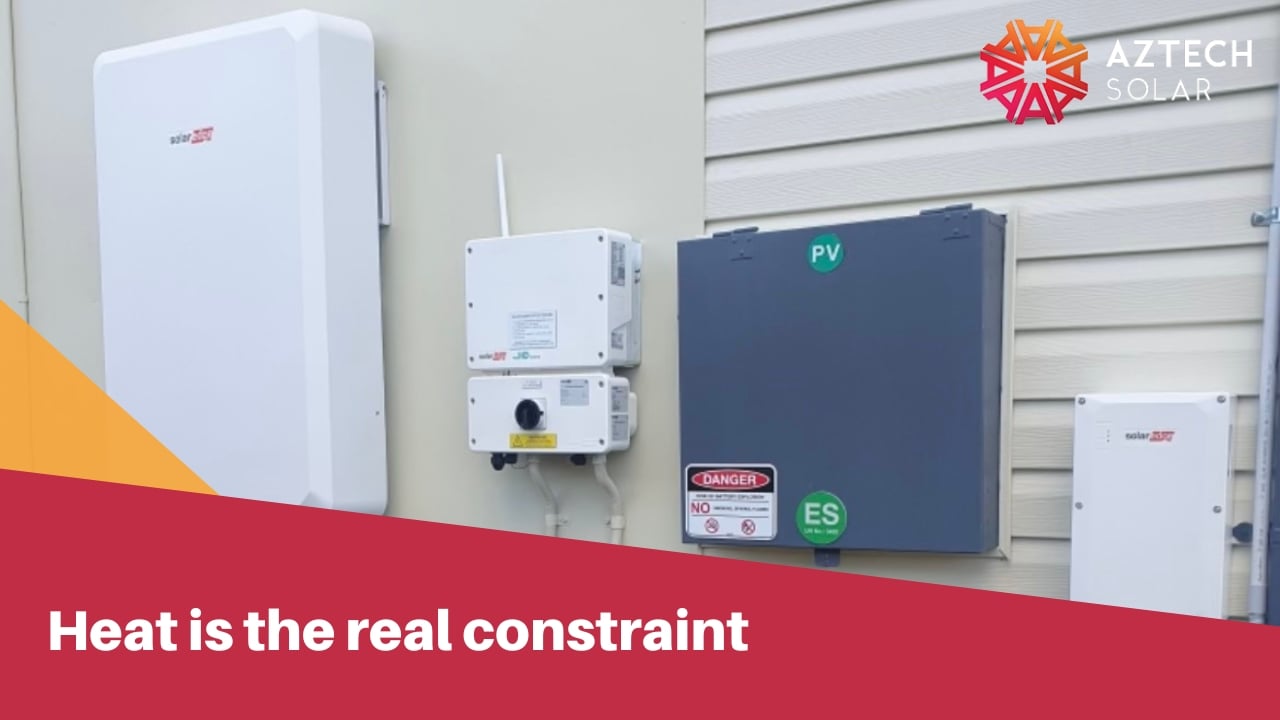
Every home battery has a rated operating window, and on paper most of them look generous. Rated range and useful range are not the same thing. A battery will keep running at 48°C ambient. It just won’t run as well, and it won’t last as long.
Two things happen when a battery runs hot. First, output gets pulled back. The battery management system reduces charge and discharge current to protect the cells, so on the hottest afternoon of the year, exactly when you want the air conditioner running off stored solar, you may get less out of the system than you expected. The Powerwall 3 datasheet states that performance may be derated above 40°C.
Second, calendar ageing speeds up. Heat is the main driver of capacity fade in lithium cells outside of cycling. A unit that spends five summers in direct sun will hold noticeably less charge than the same unit installed in a shaded garage, and most warranties are written with an assumed operating environment in mind.
Cold matters less in coastal NSW, but it isn’t nothing. Charging below 0°C causes lithium plating on the anode, which is permanent damage, so the management system either blocks charging or drops the current until the cells warm up. Frost is common enough around Singleton and Dungog in July for this to be worth a thought at design stage. In practice it usually just means the battery starts charging an hour later on a cold morning.
Where to Put Solar Battery Storage in Your Home
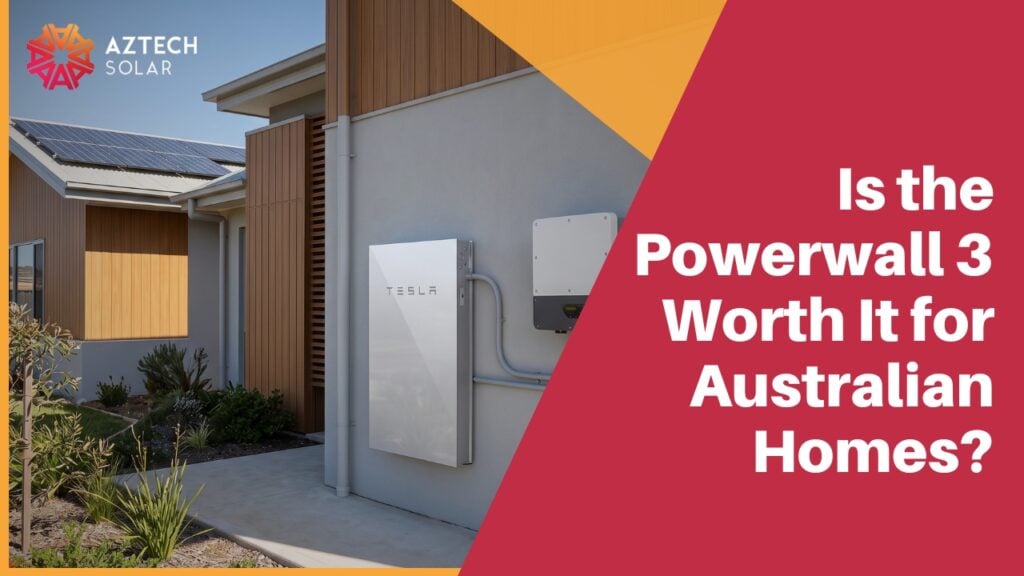
Garages win most of the time. They’re non-habitable under the standard, shaded, have smaller ambient swings than outdoors, and usually have wall space near the switchboard.
Locations That Work
- Internal garage wall, ideally on the south or east side
- Shaded external wall under eaves, an awning, or a purpose-built hood
- Laundry, plant room, or another non-habitable space with a door
- Anywhere the unit sits out of direct sun for the whole afternoon
Locations to Avoid
- Any wall catching full western or northern sun from midday onward
- Inside an unventilated steel shed, where roof space can pass 55°C on a 38°C day
- Roof cavities and sub-floor spaces, which trap heat and make service access difficult
- Tight alcoves and cupboards where the unit can’t shed heat into moving air
Manufacturers specify minimum clearances around each unit, typically 100mm to 300mm at the sides and above. Those numbers exist so the enclosure can dump heat into air that is actually moving. Boxing a battery into a cupboard that only just fits defeats the thermal design and will void the warranty on most products.
Coastal exposure is a separate problem. From Newcastle out to Port Stephens, salt-laden air corrodes enclosures, mounting brackets, and cable glands faster than most people expect. An IP66 or IP67 rating handles rain and dust, but it doesn’t make a unit immune to salt. Where an outdoor coastal mount is the only option, Aztech Solar’s solar installation team will push for a sheltered position and stainless fixings rather than relying on the ingress rating alone.
What AS/NZS 5139 Requires
AS/NZS 5139 is the standard governing battery installation in Australia. Amendment 1 was published on 19 December 2025 and is now mandatory. The Building Commission NSW advisory on the changes is the clearest public summary.
The rules that affect where your battery can go:
- No habitable rooms. Bedrooms, living rooms, kitchens, and studies are out. A garage is non-habitable, which is a large part of why it is the default answer.
- Clearance from openings. A battery can’t sit within 600mm of the vertical side of a window or building ventilation opening serving a habitable room, or within 900mm below one.
- New exception for wide openings. Amendment 1 allows installation within 600mm of an opening wider than 900mm, such as a garage door, provided safe egress is maintained.
- Barriers to habitable rooms. Exempt materials used as a barrier now need a minimum thickness of 6mm. Plenty of standard internal wall linings don’t meet that on their own.
- Inverters allowed in the restricted location. They’re treated as an associated appliance, which makes all-in-one units considerably easier to place.
- Egress clearance is enforced. New figures cover clearances in corridors, hallways, and to doors. A battery can’t block the way out.
Notice what isn’t in that list. There is no mechanical ventilation requirement for a standard sealed lithium unit in a home. The rules are about separation, egress, barriers, and fire, not airflow.
When Would You Need Active Cooling?
Rarely, in a house.
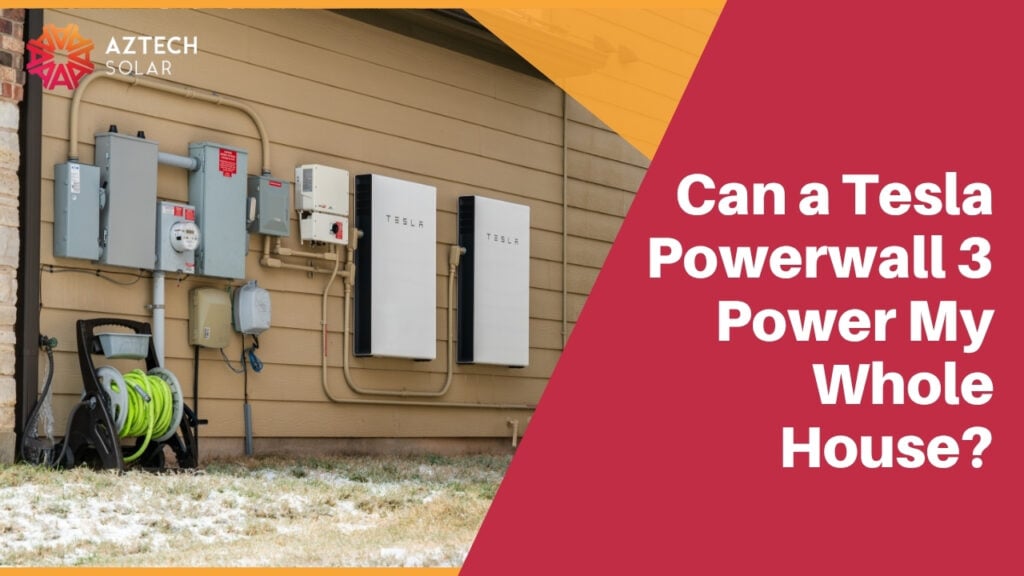
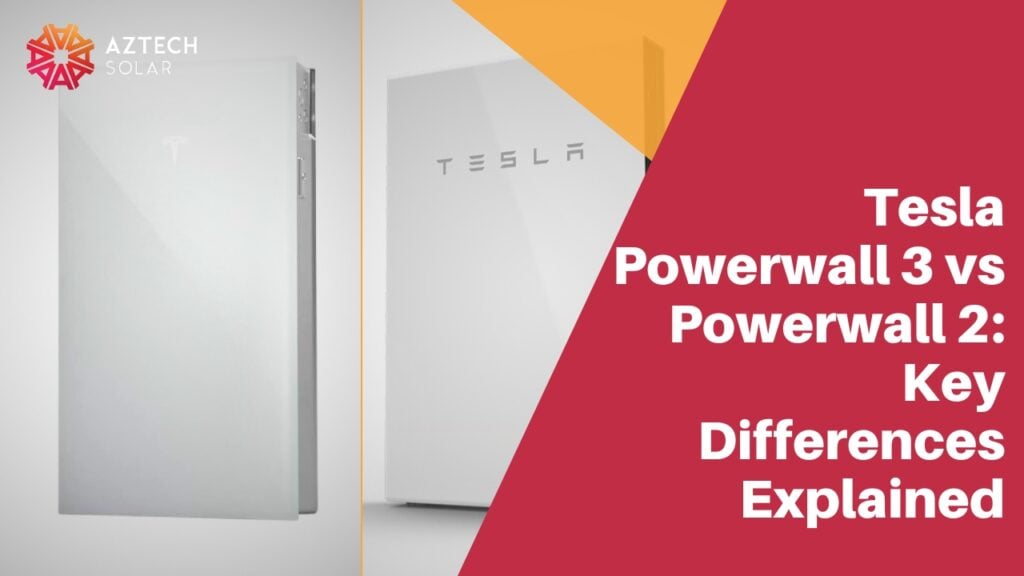
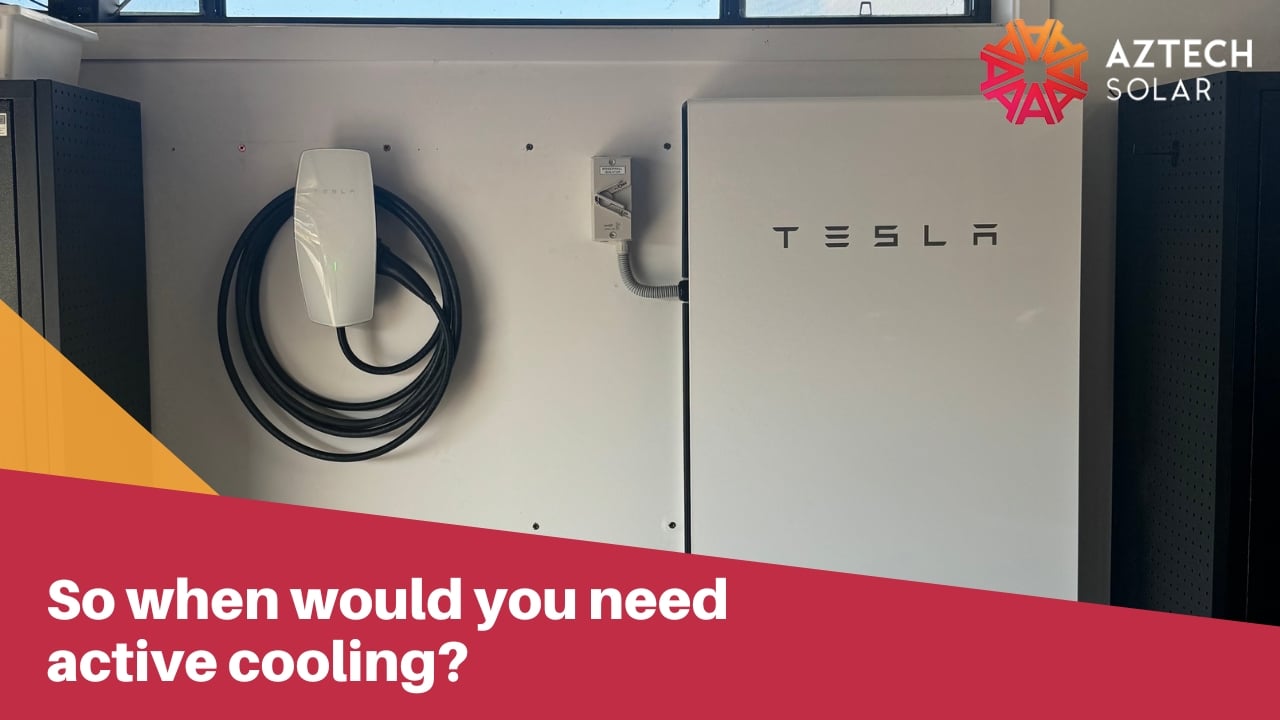
Good home batteries handle their own thermal management. If you’re weighing up the Sigenergy SigenStor and want to know how good are Sigenergy batteries in real operating conditions, the SigenStor uses active air cooling with per-pack temperature monitoring, an IP66 enclosure, and a rated range of -25°C to 55°C. The Tesla Powerwall 3 is passively cooled with IP67 protection on the battery and power electronics. Neither unit needs help from a split system.
Cooling the space becomes a genuine conversation in three situations: large commercial installations with hundreds of kilowatt hours in one room, batteries in genuinely hot sealed spaces where relocation isn’t possible such as a shipping container or an airless plant room, and inland sites where 45°C days are routine rather than occasional. For a typical Newcastle or Lake Macquarie home, picking the right wall does more good than any cooling system would.
Model Reference: Operating Range and Clearance Figures
| Model | Rated operating temperature | Cooling method | Ingress rating |
|---|---|---|---|
| Tesla Powerwall 3 | -10°C to 50°C (derated above 40°C) | Passive | IP67 (battery), IP67 (power electronics) |
| Sigenergy SigenStor | -25°C to 55°C | Active air, per-pack monitoring | IP66 |
Clearance minimums (all models): follow the manufacturer datasheet for that specific unit. Typical figures are 100mm to 300mm at the sides and above. Do not use generic figures as a substitute for the datasheet for your model.
What a Good Installer Checks Before Mounting Anything
- Sun exposure on the proposed wall across a full summer afternoon, not just at the time of the site visit
- Distance to windows, vents, and doors measured against the restricted location rules
- Wall construction and whether the barrier to any adjacent habitable room meets the 6mm requirement
- Manufacturer clearance figures for that specific model at the front, sides, and above
- Cable run length to the switchboard, because a shorter run in a hot spot is a false economy
- Salt and dust exposure, and whether a sheltered position is achievable
- Service access, so a technician can reach the unit in eight years without dismantling anything
If someone quotes you a battery without walking the site and talking through placement, that’s a reasonable point at which to ask more questions.
Frequently Asked Questions
Do lithium solar batteries release gas that needs venting?
No. LFP and NMC home battery cells are sealed and do not off-gas in normal operation, so there is no explosive gas hazard to vent. The ventilation rules that applied to older lead-acid banks do not apply to a sealed lithium unit.
Can I install a home battery inside a cupboard?
Not if it fits tightly. Manufacturers specify minimum clearances, typically 100mm to 300mm at the sides and above, so the enclosure can shed heat into moving air. Boxing a battery into a snug cupboard defeats the thermal design and will void most warranties.
Is a garage a compliant place for a battery under AS/NZS 5139?
Usually yes. A garage is non-habitable, shaded, and often near the switchboard, which is why it is the default answer. You still must meet clearance-from-openings, barrier thickness, and egress rules under the standard.
Does ambient heat affect what I get out of the battery on a hot day?
Yes, and it matters most on the days you want full performance. When heat pushes cell temperature past the rated threshold, the battery management system derates charge and discharge current to protect the cells. Choosing a shaded wall is the simplest way to keep the battery in its preferred operating window year-round, since the same sheltered spot buffers against cold, which also reduces output.
Solar battery storage doesn’t need ventilation ducting or climate control. It needs shade, breathing room, a non-habitable wall that meets the clearance rules, and an installer who thinks about February before they drill.
If you’re weighing up solar battery storage for a home in Newcastle, the Hunter, or the Central Coast, we’ll assess the site properly and advise on placement before anything is ordered. Call Aztech Solar on 1300 992 922 or request a quote.