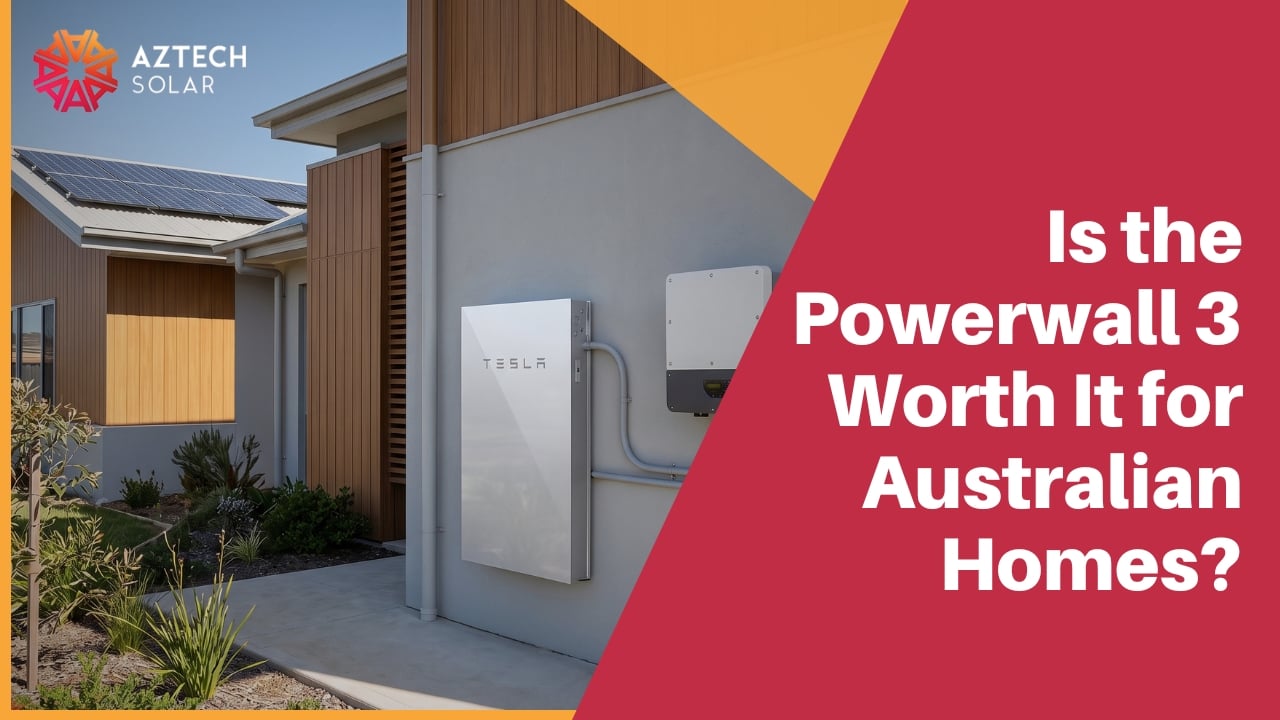
Tesla’s Powerwall has been the “big name” in home batteries for years, and the arrival of the Powerwall 3 has sparked a lot of conversation around kitchen tables in Newcastle and the Hunter. With electricity prices still a major headache for most families, the question isn’t just “does it work?” but “will it actually pay for itself?”
In the Australian climate, we have a unique set of challenges that is high UV, salty air on the coast, and some of the highest solar uptake in the world.1 Here is the straight talk on whether the latest version lives up to the hype.
What has changed?
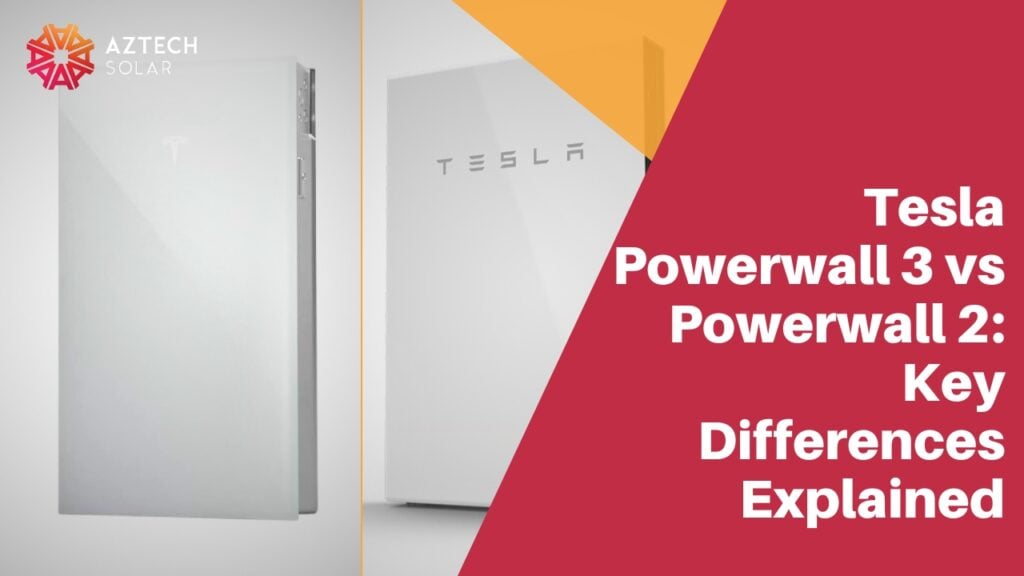
The Powerwall 3 isn’t just a slightly better version of the Powerwall 2. The biggest shift is that it now includes its own built-in solar inverter.2
Previously, you needed a separate box on the wall to convert your solar power, and then the battery handled the storage. By combining them, the system is much more efficient. It can also handle a lot more power at once. If you want to run your air con, the oven, and the pool pump all at the same time while the sun is down, the Powerwall 3 is far more likely to keep up without needing to pull expensive power from the grid.
The Backup Factor
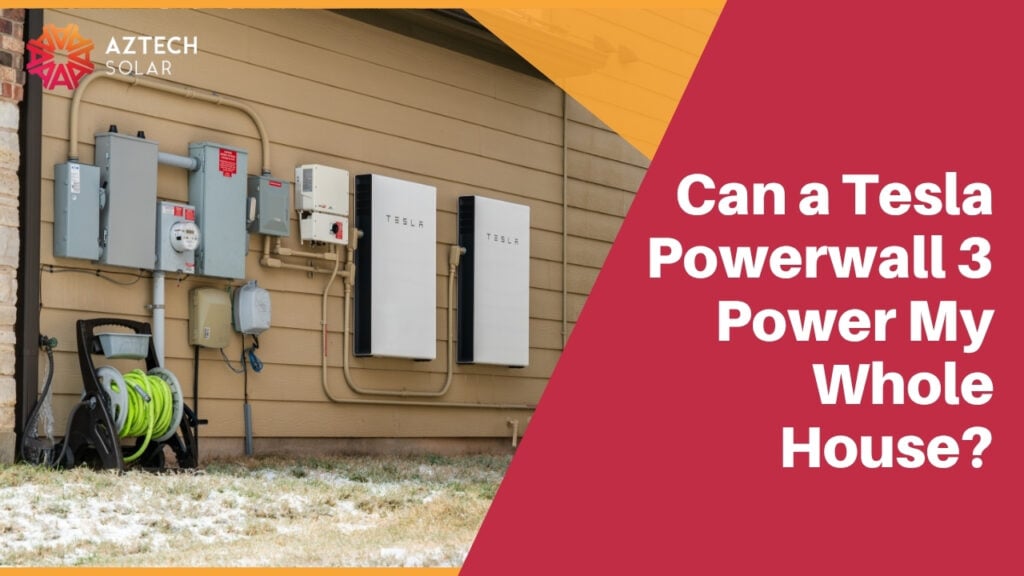
One thing Australian homeowners value is security during a blackout. Some batteries only keep a few lights and the fridge running. The Powerwall 3 is designed for “whole-home backup.” Because it can handle higher “surge” loads, it can start up heavy appliances (like a bore pump or a large split-system AC) that would normally trip a smaller battery.
For families in areas prone to summer storms or grid instability, that peace of mind is often where the “value” lies, even before you look at the dollar savings on the bill.
Does the math stack up?
Whether a Powerwall 3 is “worth it” usually comes down to your energy habits:
- The Big Users: If you have a large family, an EV to charge, or you work from home, you’ll likely see a much faster return on investment. The more “free” solar you can capture and use at night, the sooner the battery pays for itself.
- The Feed-in Tariff Trap: In many parts of NSW, solar feed-in tariffs (what the retailers pay you for your excess power) have dropped significantly. It is now far more profitable to store your own power than to sell it back to the grid for a few cents.
- The Lifespan: With a 10-year warranty and a very high “round-trip efficiency,” the Powerwall 3 is built to last the distance.3
The Aztech Difference
Choosing a battery is about more than just the brand name. It’s about ensuring the system is sized correctly for your roof and your lifestyle. We’ve seen plenty of people install a battery that is too big (so they never fill it) or too small (so it’s empty by 8:00 pm).
Part of the Aztech difference is that we don’t just sell you a box. We look at your actual energy data to see if the Powerwall 3 is a genuine fit for your home. We also make sure your solar monitoring is set up so you can see exactly how much you are saving every single day.
The Verdict
If you are looking for a “set and forget” system that can handle the heavy lifting of a modern Australian home, the Powerwall 3 is currently the benchmark. It’s simpler to install than previous models and packs a massive punch in terms of performance.
If you want to see the specific numbers for your home or find out about current rebates, give us a call on 1300 992 922. We can run a simulation based on your last few power bills to show you exactly what the “payback period” would look like.