Rising electricity bills and unpredictable outages are causing households to rethink their energy setup.
Even homes with solar panels often lack a reliable way to store power for later use. Without battery storage, energy from the sun can go to waste and homes stay dependent on the grid during peak pricing or outages.
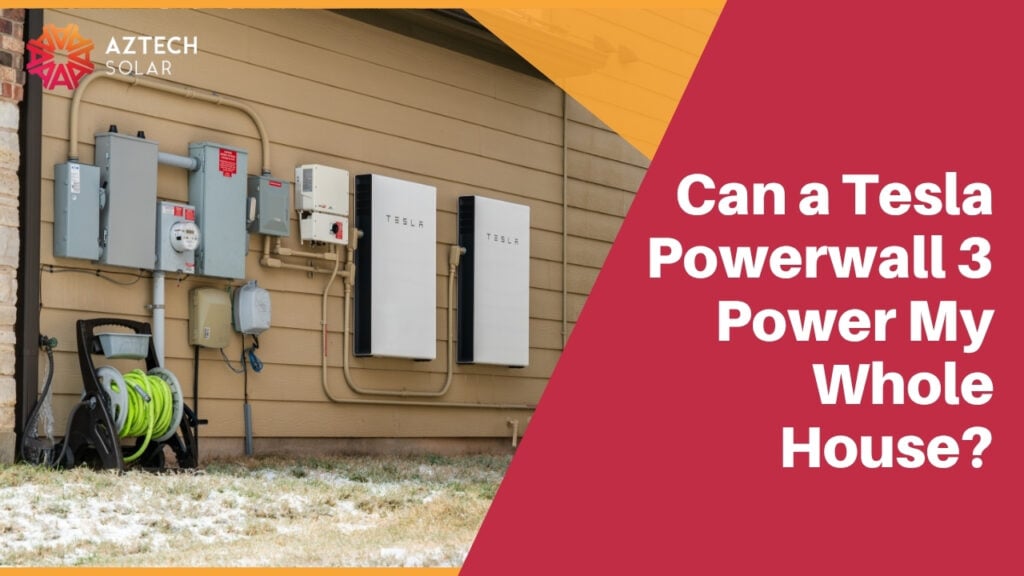
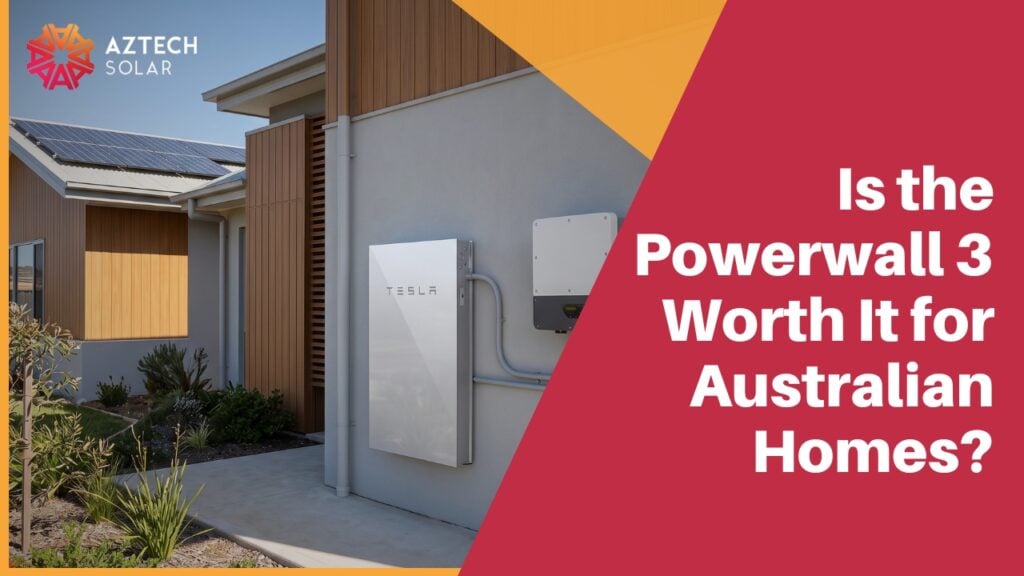
Tesla Powerwall 3 provides a battery system with an integrated solar inverter that stores solar energy for use anytime. Now available in Australia, it delivers 10 kW of power output and up to 13.5 kWh of storage per unit. The all-in-one setup suits homes needing backup during outages or those aiming for greater self-sufficiency.
Key Benefits of the Tesla Powerwall 3
Powerwall 3 helps reduce grid reliance by storing energy produced during the day for use at night or during outages. It can work with new or existing solar systems, and installation is flexible across different home layouts. For those without solar, it can operate as a standalone energy backup system.
It offers 11.04 kW continuous backup power in Australia, designed to support large appliances and essential systems during outages. Its integrated inverter also allows solar input up to 20 kW, making it efficient for larger homes.
Powerwall 3 suits homes looking to manage rising energy costs and protect against blackout events. The ability to monitor energy use via the Tesla app allows users to choose modes that prioritise independence, savings, or backup power.
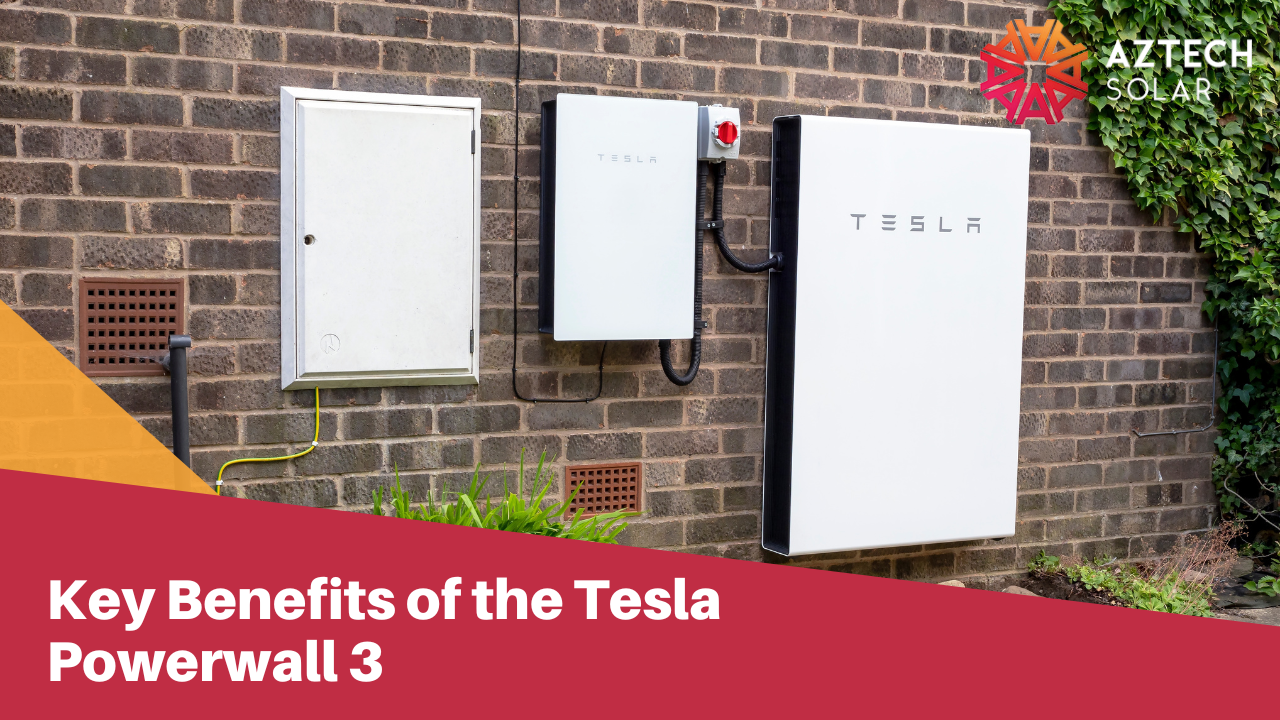
Design and Technical Specifications
Powerwall 3 combines a solar inverter and battery storage in one unit. Each system stores 13.5 kWh of usable energy and includes a built-in inverter that supports up to 20 kW of solar input. It features three MPPT channels rated at 26 A each, with a voltage range of 60–480 V DC for efficient solar integration. The system can be expanded by adding up to four units to meet higher energy demands.
Key specifications:
- Backup output: 11.04 kW (Australia)
- Grid-tied output: 10 kW (43.5A @ 230V)
- Startup peak handling: 185 Amps LRA under 1 second
- Battery type: Lithium-ion (DC-coupled solar)
- Weight: 130 kg
- Warranty: 10 years
Its integrated inverter and 60–480 V MPPT voltage range allow compatibility with a wide range of solar systems. The all-in-one design reduces the need for external inverters or extra components, streamlining installation and maintenance.

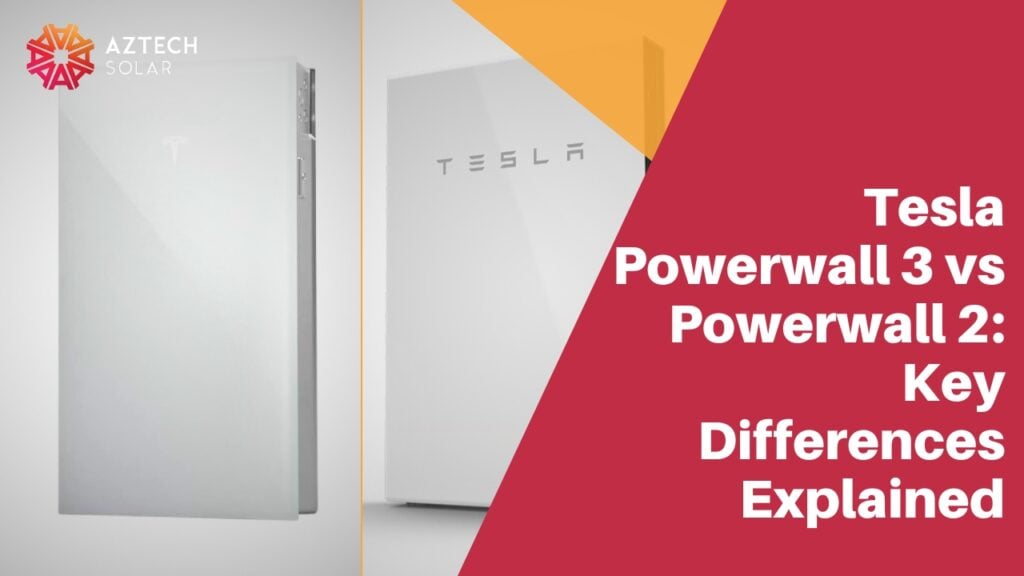
Powerwall 3 vs Powerwall 2: Main Differences
Powerwall 2 requires a separate solar inverter, while Powerwall 3 includes one built-in. This integrated design reduces the number of components needed and simplifies installation for new systems. Powerwall 3 also improves energy efficiency, with direct DC-to-AC conversion and lower losses.
Compared to Powerwall 2, Powerwall 3 supports more solar input—up to 20 kW—and delivers higher continuous power output at 11.04 kW. It also handles greater peak loads, making it suitable for homes with larger appliances or backup needs.
While both models offer 13.5 kWh of energy storage, Powerwall 3 includes improved inverter performance and solar input range, offering a more scalable solution for new builds or energy system upgrades.
Installation Options and Support
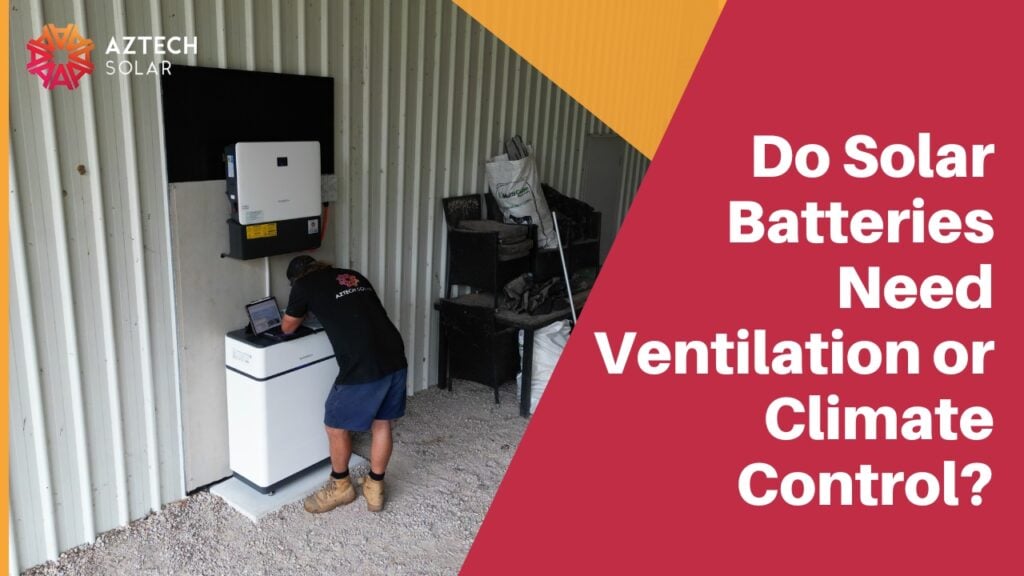
Tesla Powerwall 3 can be added to homes with or without existing solar. It works as a new system or as an upgrade to older setups, including those with microinverters. Whether you want backup for outages or daily energy control, the system offers a reliable storage solution.
For more details on solar battery installation and how to integrate this system into your property, speak to the team at Aztech Solar. We help homeowners understand compatibility, sizing, and the best setup based on their current usage.
FAQs About Tesla Powerwall 3
Does Powerwall 3 need internet access to work?
It can operate without the internet, but features like app monitoring, remote updates, and mode changes will be limited. A stable connection is recommended for full system control through the Tesla app.
Can I install it without solar panels?
Yes. It can be installed without solar and charged from the grid. In this setup, it provides backup during outages or can be used to reduce energy costs during peak rates.
How long does it last during a power outage?
Runtime depends on load and number of units. One Powerwall 3 stores 13.5 kWh, which may power essential appliances for several hours. Adding more units increases backup time.
Can it work with an EV charger?
Yes, it can be used in systems that include EV chargers. It may reduce charging costs by using stored solar or off-peak grid energy.
What if I don’t have much wall space for installation?
It can be wall- or floor-mounted. An installer will check space and clearance to recommend the best option for your setup, whether indoors or outdoors.