Australia’s power needs continue to increase while energy supply risks remain. Rising costs, weather impacts, and grid pressure all affect energy reliability. Homes and businesses that rely only on traditional power sources may face higher bills or disruption during outages.
Solar systems offer an alternative path. With high solar exposure across much of the country, rooftop systems help reduce power bills and grid strain. When combined with battery storage or feed-in programs, solar also supports long-term cost control.
In NSW and other states, government programs and falling equipment costs make solar a viable option for households and businesses seeking more control over their energy supply.
Why Australia Is Suited to Solar Energy
Australia receives an average of over 2,500 sunlight hours per year, making it well suited for solar generation. This level of solar exposure provides consistent energy output from well-positioned systems. Regions in QLD, SA, and NSW benefit especially from strong year-round sunlight.
Solar supports energy independence by reducing reliance on imported fuels or grid power. For households, this means lower usage charges and more stable energy costs. For the wider network, distributed solar systems reduce pressure during peak demand.
The shift to solar is supported by technology improvements and strong system performance in varied climates. Installations are now common in both urban and regional locations.
How Solar Helps Reduce Fossil Fuel Dependence
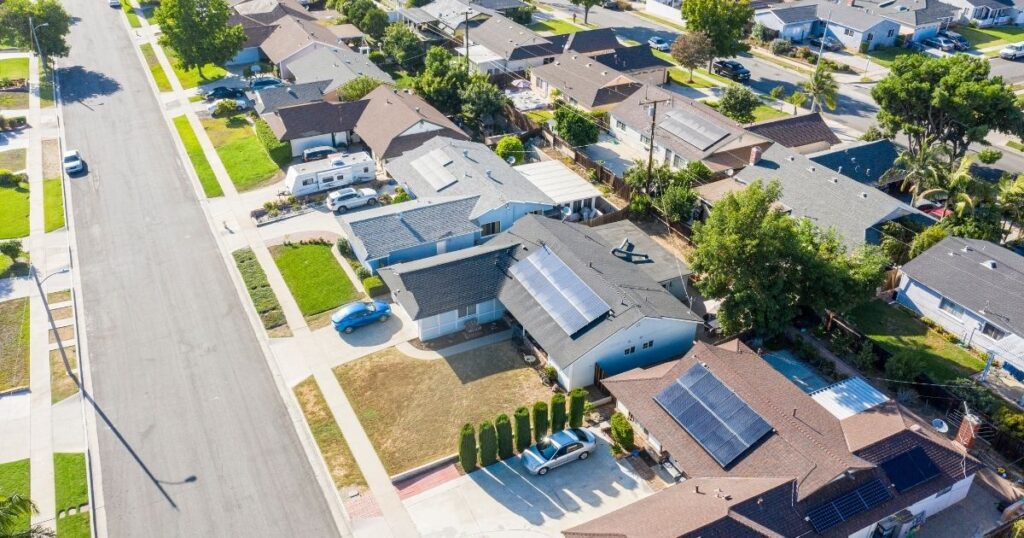
Solar panels generate power without using gas or coal. This lowers demand on fossil-based energy sources that contribute to carbon emissions. Each rooftop system adds to the share of clean energy in the grid, supporting environmental targets across Australian states.
For homes and businesses, the impact is direct. Reducing grid usage cuts carbon output and lowers electricity bills. When scaled across regions, this reduces reliance on fossil fuel imports and improves national energy security.
Unlike fuel-based systems, solar does not require ongoing raw materials. This helps protect supply stability and reduces energy-linked transport and storage costs.
Grid Stability and Backup Power with Solar
Solar can increase grid stability when paired with modern energy systems. Panels combined with batteries provide backup power during blackouts or poor weather events. This is especially useful in remote zones with limited infrastructure.
Distributed solar reduces load on key transmission routes. With more power generated close to where it’s used, there is less strain during peak usage periods. This lowers the chance of system-wide failures during high demand.
Battery storage allows homeowners to use power even when the grid is down. This helps protect essential appliances, medical equipment, or security systems during outages.
Government Support for Solar Installations
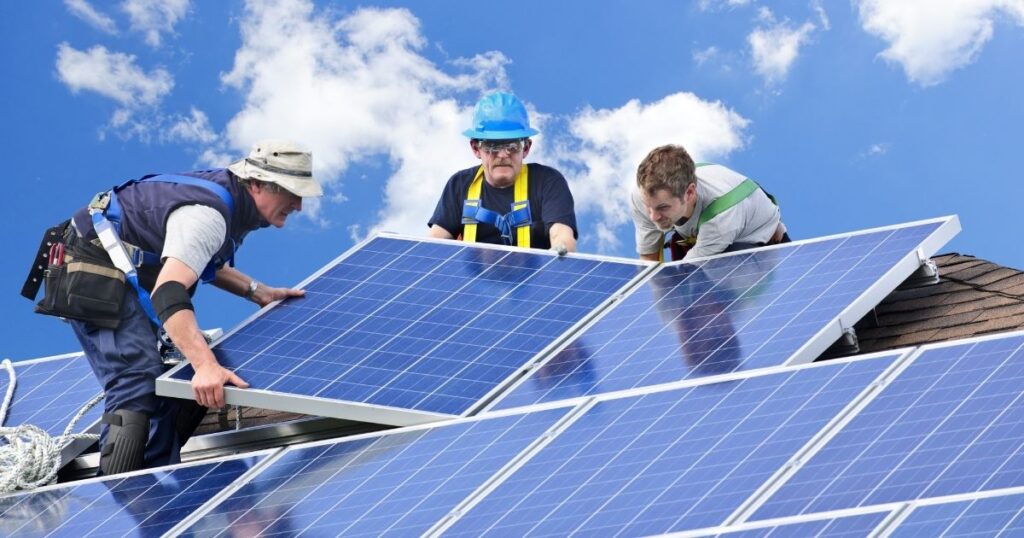
Australian solar uptake has grown due to consistent support from federal and state programs. These schemes reduce upfront costs and make home systems more accessible for first-time users.
Available support includes:
- Rebates that lower installation expenses
- Feed-in tariffs that credit excess energy exported to the grid
- Loan programs that offer $0 deposit green loans or low-cost finance
Eligibility and payment amounts vary by location and system size. Some local councils may offer additional grants or discounts. These programs have helped increase solar access in both metro and regional areas, supporting broader national energy goals.
For accurate figures or application steps, users should refer to their state energy department or installer.
Technology Driving Better Solar Outcomes
Recent advances in solar technology have made systems more efficient and affordable. Modern panels convert more sunlight to electricity and last longer with lower degradation.
Energy storage systems have also improved. Batteries now support better charge cycles, faster output, and longer warranties. This allows users to store daytime energy and reduce night-time reliance on grid power.
Inverters, software, and performance monitoring tools are now more accurate. These upgrades support better management of household energy use and make solar a more stable choice.
Growth of Solar in Local Communities
Across Australia, solar use is expanding beyond individual homes. Community-scale systems and business-led initiatives now contribute to local power supply.
Solar farms feed energy into the grid while creating jobs in installation and maintenance. Businesses adopt rooftop solar to manage costs and meet compliance targets. In regional towns, shared solar networks support reliable access for remote users.
This collective effort increases access to clean energy and spreads financial benefits. It also helps meet government and council sustainability goals across different regions.
Solar Supports Long-Term Energy Security
Solar systems deliver consistent output without relying on fuel supply chains. Once installed, the panels operate with minimal maintenance and no fuel input. This increases energy predictability at both household and national levels.
Battery storage extends this benefit by reducing exposure to short-term price changes or grid faults. Together, panels and storage give users control over power access and timing.
As the grid shifts toward mixed sources, local solar continues to offer one of the most stable and low-risk options for long-term energy planning.
Aztech Solar Supports Australia’s Energy Transition
Aztech Solar installs licensed solar systems and storage solutions across NSW. Our services support home energy control, cost reduction, and long-term energy stability.
We work with households, small businesses, and regional properties to install reliable, grid-compliant systems. Our team also helps clients access current rebates and meet state program guidelines.
For installation advice or pricing, contact us to learn more about options for your home or business.
FAQ’s
Yes. If paired with battery storage, solar can power key appliances during outages. It also supports the grid by reducing peak demand on central systems.
Yes. A well-sized system can reduce daytime grid use significantly. With storage, it’s possible to use stored solar power after sunset, reducing reliance even further.
Panels still generate power during overcast conditions, just at lower levels. A storage battery helps cover periods of low production or night-time use.
Yes. Eligible homes and small businesses can still access federal incentives. Some councils also offer additional support depending on the location.
Most systems last 20–25 years with regular checks. Inverters may need replacement after 10–15 years. Warranty terms vary based on brand and installer.